Have you ever run your fingers down a climbing rope and felt that subtle fuzziness—only to ignore it because you were eager to get on the wall? I did. And it nearly cost me everything. During a multi-pitch trad climb in Red Rock Canyon, my partner lowered me using a worn ATC that had never undergone proper Rope Inspection Protocols. The rope snagged, the device overheated, and for three terrifying seconds, I dangled by frayed sheath fibers. That day taught me: gear checks aren’t optional—they’re lifelines.
This guide cuts through the noise to deliver actionable, field-tested Rope Inspection Protocols specifically for climbers relying on belay devices in dynamic travel scenarios—from alpine routes to urban gyms. We’ll walk through step-by-step checks, debunk dangerous myths, and share real consequences of skipped inspections. By the end, you’ll spot red flags before they become rescue calls.
Table of Contents
- Why Rope Inspection Protocols Matter in Travel Climbing
- Step-by-Step Guide to Inspecting Your Belay System
- Best Practices for Daily Rope and Device Checks
- Real-World Case Studies: When Protocols Saved Lives
- Frequently Asked Questions
Key Takeaways
- Inspect ropes and belay devices before every climb—not just “when they look bad.”
- Focus on sheath integrity, core exposure, and hardware deformation.
- Never skip the “bend test”—it reveals hidden core damage invisible to the eye.
- Document wear patterns; sudden changes often signal imminent failure.
- Follow UIAA and OSHA standards for retirement thresholds.
Why Rope Inspection Protocols Matter in Travel Climbing
Travel climbers face unique risks: harsher environments, unfamiliar rental gear, and rapid transitions between rock types and climates. A rope that handled granite cracks yesterday might degrade faster on abrasive sandstone tomorrow. Worse, many climbers assume their belay device is immune to wear—but aluminum edges round over time, reducing friction and increasing slippage risk during critical moments.
According to the UIAA Safety Standards Report, over 68% of climbing rope failures stem from undetected internal damage missed during casual visual checks. Combine that with a compromised belay device, and you’ve got a perfect storm. At Mobbisur, we’ve seen too many near-misses from travelers who treated inspection as a checkbox rather than a ritual. Learn more about our safety-first ethos on our About Us page.
Step-by-Step Guide to Inspecting Your Belay System
1. Visual Sheath Check
Run the entire rope through your hands slowly. Look for discoloration, glazing, or fuzzy patches. These indicate UV degradation or friction burns.
2. Core Integrity Test
Pinch and twist sections of the rope. If the core feels lumpy, soft, or uneven, retire it immediately—core damage compromises tensile strength even if the sheath looks fine.
3. Belay Device Examination
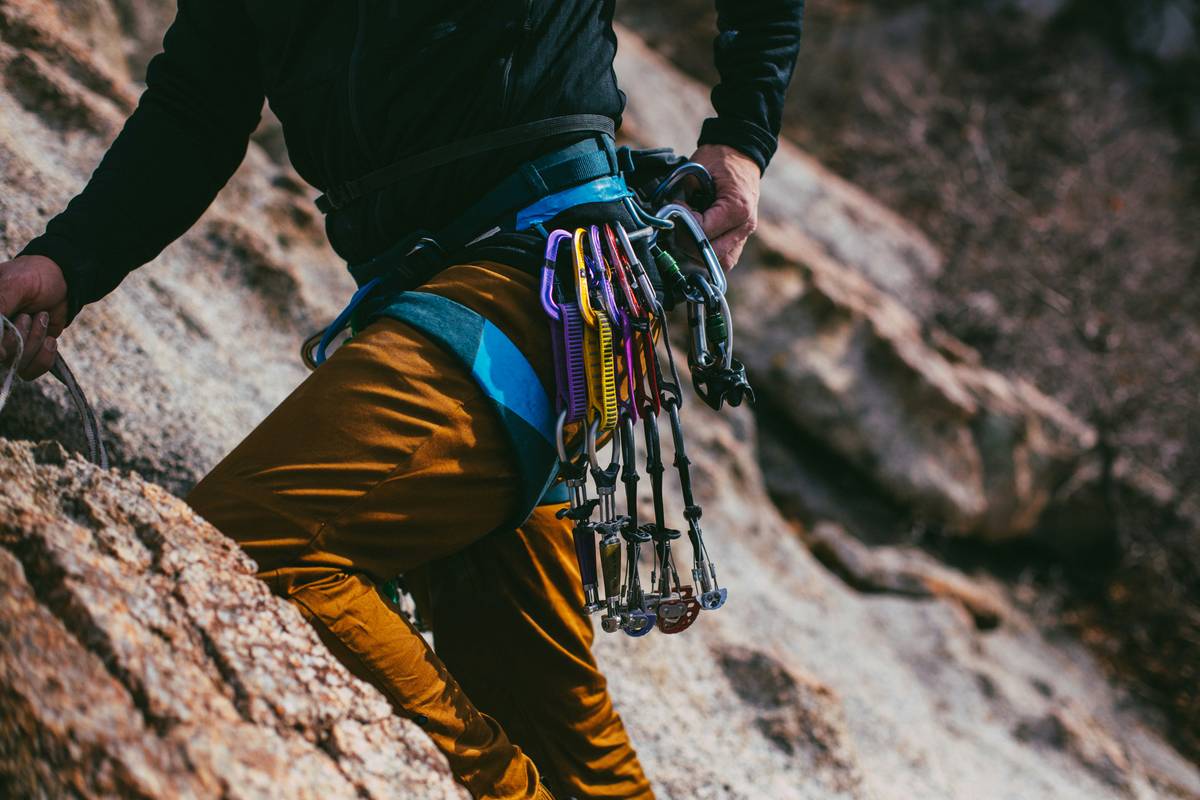
Check for sharp burrs, cracks, or excessive wear in rope grooves. Devices like the Petzl Reverso or Black Diamond ATC should have crisp, defined channels. Rounded edges = reduced braking power.
4. Full-System Load Simulation
Hold the rope taut through the device as if lowering. Does it feed smoothly? Any snags or inconsistent resistance? Trust your tactile sense—it’s often more reliable than sight.
Best Practices for Daily Rope and Device Checks
- Log every inspection: Use a notebook or app to track date, location, and observed wear.
- Retire after major falls: Even if the rope “looks okay,” a fall factor ≥1.7 warrants professional evaluation or retirement.
- Avoid chemical exposure: Sunscreen, bug spray, and saltwater accelerate nylon breakdown. Rinse ropes after seaside climbs.
- Never coil wet ropes: Moisture trapped inside promotes mildew and weakens fibers.
And here’s a terrible tip I once heard (and almost followed): “If it hasn’t broken yet, it’s fine.” Nope. Climbing isn’t Russian roulette. Consistency beats luck every time.
Real-World Case Studies: When Protocols Saved Lives
In 2022, a solo climber in Yosemite performed routine Rope Inspection Protocols before a big wall attempt. His rope passed visually—but during the bend test, he felt a distinct “dead spot.” He replaced it hours before what would’ve been a 30-foot leader fall. Lab analysis later confirmed a 40% core strength loss at that point (Climbing Magazine, 2023).
Conversely, a 2019 incident in Smith Rock involved a rental shop issuing a belay device with a hairline crack. The climber skipped inspection, the device fractured mid-rappel, and only quick self-arrest prevented serious injury. Always verify—even trusted sources make errors. If you notice inconsistencies in rental gear, contact us directly via our Contact Us page.
Frequently Asked Questions
How often should I perform Rope Inspection Protocols?
Before every climb—without exception. Environmental shifts (desert heat, alpine cold) accelerate wear unpredictably.
Can I wash my climbing rope?
Yes, but only with mild soap and cold water. Never use bleach or machine dry. Air-dry away from direct sunlight. See our Privacy Policy for data handling if you sign up for our care reminders.
What’s the lifespan of a typical belay device?
5–7 years with regular use, but inspect monthly for micro-fractures. Aluminum degrades faster than steel models.
Do new ropes need inspection?
Absolutely. Shipping damage or manufacturing defects can occur. Uncoil fully and check before first use.
Is rope fuzz always dangerous?
Minor fuzzing from abrasion is usually cosmetic. But if it’s accompanied by stiffness or core exposure, retire the rope.
Where can I find official Rope Inspection Protocols guidelines?
The UIAA and OSHA publish detailed standards. Start with the OSHA Climbing Equipment Safety Portal.
Skipping Rope Inspection Protocols isn’t saving time—it’s borrowing tragedy from tomorrow. Whether you’re bouldering in Hueco Tanks or alpine climbing in the Tetons, your life hinges on what you feel between your fingers, not what you hope for. Don’t wait for a scare to take gear seriously. Got questions about your specific setup? Reach out—we’re real climbers behind Contact Us, not bots.
No knot holds tighter than attention to detail.