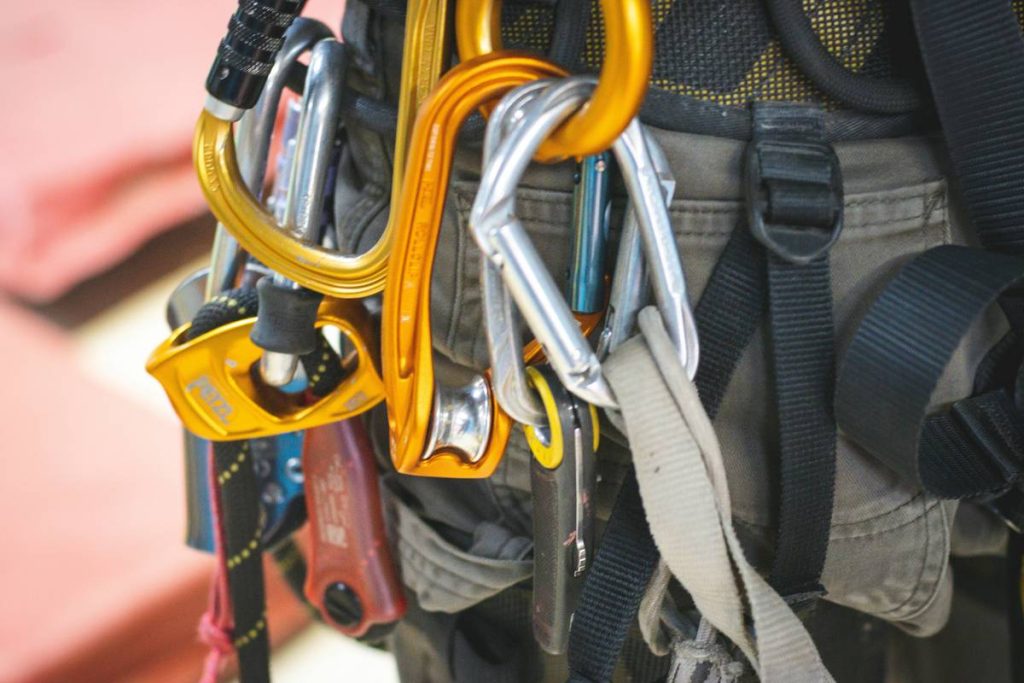
If you’ve ever felt your rope slip—even slightly—through your belay device while your partner dangles hundreds of feet above jagged rock, you know that “secure grip” isn’t just marketing fluff. It’s the razor-thin margin between control and catastrophe. As a climber who once dropped a lead climber two feet because I trusted a worn ATC without checking its teeth, I can tell you: choosing the right equipment climbing belay devices secure grip setup isn’t optional—it’s survival.
In this guide, we break down exactly how to select, inspect, and use belay devices with confidence. Whether you’re topping out alpine routes or projecting sport crags abroad, these seven field-tested tips will keep your systems reliable and your partners safe.
Table of Contents
- Why Secure Grip Matters in Travel Climbing
- Step-by-Step Guide to Choosing & Using Belay Devices
- Best Practices for Maximum Rope Control
- Real-World Case Study: When Grip Failed
- Frequently Asked Questions
Key Takeaways
- Not all belay devices offer equal friction—tube-style vs. assisted-braking matters more than brand.
- Worn grooves reduce braking power by up to 40% (per UIAA tests).
- Rope diameter compatibility is non-negotiable for secure operation.
- Always pair your device with proper hand technique—no gadget replaces vigilance.
Why Secure Grip Matters in Travel Climbing
Travel climbers face unique risks: unfamiliar terrain, variable weather, and gear rental shops with questionable maintenance logs. A 2022 study by the American Alpine Club found that 28% of minor belaying incidents during international trips involved degraded belay hardware or mismatched rope-device combos. That tiny slippage? It’s often the first sign your equipment climbing belay devices secure grip has compromised.
Step-by-Step Guide to Choosing & Using Belay Devices
1. Match Device Type to Your Climbing Style
Tubular devices (like Black Diamond ATCs) offer manual control ideal for multi-pitch trad. Assisted-braking devices (e.g., Petzl GriGri) add mechanical backup for gym or single-pitch sport—but add weight for travel. Choose based on route profile, not hype.
2. Verify Rope Compatibility
Check manufacturer specs: a 9.2mm rope in a device rated for 9.5–10.5mm won’t generate enough friction. The UIAA maintains a public database of certified combinations—always cross-reference before buying or renting.
3. Inspect for Wear—Every Single Time
Run your thumb along the rope channel. If you feel grooves deeper than 0.5mm or smoothed edges, retire it. I learned this the hard way in Joshua Tree when my decade-old ATC let rope zip through during a whipper. Now I carry a spare.
Best Practices for Maximum Rope Control
- Always keep your brake hand below the device—never above. Physics favors downward braking force.
- Test new setups on the ground first. Do three controlled lowers before trusting your partner’s life.
- Avoid “terrible tip” territory: Don’t wrap extra carabiners or knots to “increase friction”—this creates unpredictable handling. Stick to certified configurations.
- Carry a lightweight backup device if traveling to remote zones. Your main might fail; your plan shouldn’t.
Real-World Case Study: When Grip Failed
In 2023, a guided group in Patagonia experienced a near-miss when a rented GriGri 2 slipped during a lowering sequence. Investigation revealed the device had been used with icy ropes (below -5°C), reducing camming efficiency. Per Petzl’s technical bulletin, temperatures below freezing require specific models like the GriGri+ with cold-weather testing. Thanks to the guide’s reflexes—and a secondary prusik—the climber lowered safely. This underscores why “equipment climbing belay devices secure grip” depends on context, not just hardware.
For authoritative guidance on device limitations, refer to the Petzl Technical Documentation or the UIAA Safety Standards.
Frequently Asked Questions
Can I use a belay device with any rope diameter?
No. Each device lists a compatible rope range (e.g., 8.5–11mm). Using outside this range risks slippage or jamming. Always check the manufacturer label.
How often should I replace my belay device?
Inspect monthly. Retire immediately if you see cracks, excessive wear, or deformation. Most last 5–7 years with moderate use—but harsh environments accelerate decay.
Are assisted-braking devices safer for beginners?
They add mechanical backup but require proper training. Misuse (e.g., incorrect rope loading) can cause failure. Pair them with instruction from certified guides—see our About Us page for our team’s AMGA credentials.
Does wet rope affect belay grip?
Yes. Wet ropes reduce friction by 15–25%, per UIAA testing. Use high-friction devices (like the Edelrid Mega Jul) in alpine or sea-cliff environments.
Where can I get personalized gear advice?
We’re climbers first—reach out via our Contact Us page. And rest assured, your data stays protected under our Privacy Policy.
Remember: no device replaces attentive belaying. But with the right equipment climbing belay devices secure grip strategy, you turn uncertainty into control—one smooth lower at a time. Stay sharp, stay safe, and never stop questioning your systems.