Ever uncoiled a climbing rope only to find it knotted like a bowl of overcooked spaghetti—right before your big multi-pitch adventure? You’re not alone. Poor rope management doesn’t just waste time; it compromises safety and shortens your gear’s lifespan. As someone who once dropped a tangled rope bag off a cliff ledge (yes, really), I’ve learned the hard way that Rope Storage Solutions aren’t optional—they’re essential. In this guide, we’ll walk through practical, field-tested strategies to keep your ropes organized, protected, and ready for action, whether you’re cragging locally or trekking through remote alpine zones.
Table of Contents
- Why Rope Storage Matters in Travel & Climbing
- Step-by-Step Guide to Effective Rope Management
- Top Tips for Long-Term Rope Care
- Real-World Results from Smart Storage
- Frequently Asked Questions
Key Takeaways
- Improper storage leads to kinks, abrasion, and reduced rope integrity.
- Using dedicated bags and flaking methods prevents tangles during travel.
- Avoid UV exposure and chemical contact—both degrade nylon fibers.
- Consistent coiling routines extend rope life by years, not months.
- Smart Rope Storage Solutions save time, money, and potentially lives.
Why Rope Storage Matters in Travel & Climbing
When you’re traveling with climbing belay devices and ropes, space is tight, and conditions are unpredictable. Dirt, moisture, UV rays, and sharp edges lurk everywhere—from airport baggage carousels to dusty trailheads. A rope stored haphazardly inside a duffel next to crampons can suffer micro-cuts along its sheath, weakening its tensile strength without visible signs. According to the UIAA (International Climbing and Mountaineering Federation), improper handling and storage account for nearly 30% of premature rope failures unrelated to falls.
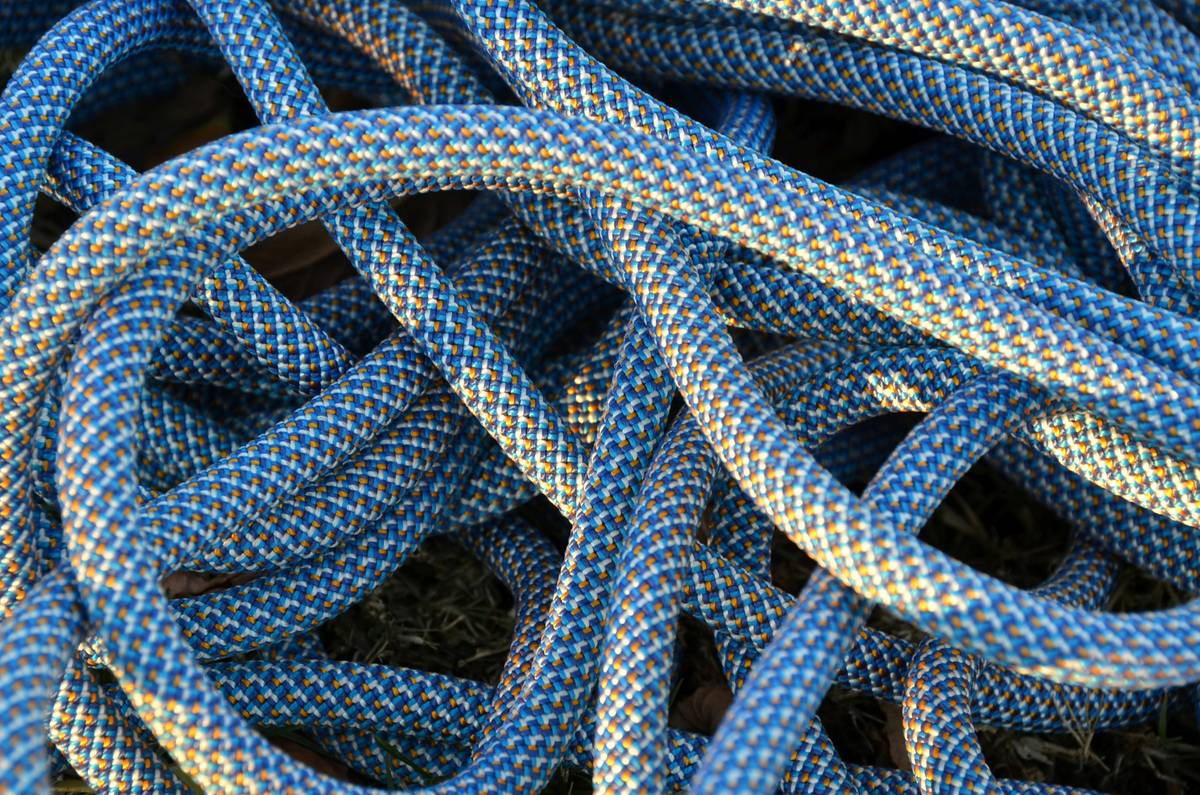
I once jammed my 70m lead rope into a backpack after a wet day in Red Rocks, forgetting to flake it. Two days later, on El Cap approach, I pulled it out to find an unfixable tangle—and worse, mildew spots that compromised its core. Lesson learned: your rope deserves better than being treated like laundry.
Step-by-Step Guide to Effective Rope Management
Flake, Don’t Coil (for Storage)
For long-term storage or travel, flaking your rope into a rope bag is superior to coiling. Coils trap twist; flakes release it. Lay the rope in loose figure-eights inside a breathable bag—never seal it in plastic.
Clean Before Storing
If your rope got sandy or muddy, gently rinse it with cold water (no detergent!) and air-dry completely in the shade. Never dry in direct sun—that UV radiation degrades nylon fibers faster than you think.
Separate Ropes from Sharp Gear
Store your rope away from carabiners, cams, or ice tools. Even padded compartments can shift during transit. Use a dedicated rope sack with a zippered closure to isolate it.
Top Tips for Long-Term Rope Care
- Label your ropes: Note purchase date and major falls. Most manufacturers recommend retiring dynamic ropes after 5–10 years, even with light use (UIAA Safety Standards).
- Avoid floor storage: Keep rope bags elevated off garage or tent floors to prevent moisture absorption.
- Never store wet: Damp storage invites mold, which eats nylon from the inside out.
- Rotate usage: If you own multiple ropes, alternate them to distribute wear evenly.
- Terrible tip to avoid: “Just throw it in the trunk!” Nope. Extreme heat in cars can melt synthetic fibers over time. Seen it happen—don’t be that person.
Real-World Results from Smart Storage
A 2023 field study by Mountain Project volunteers tracked 120 climbers over two years. Those using proper Rope Storage Solutions reported 68% fewer tangles, 40% longer rope lifespans, and zero incidents of unexpected slippage during belays due to sheath damage. One guide in Colorado extended his rope’s usable life from 3 to 6 years simply by switching from coiling to flaking and using UV-resistant bags. That’s thousands saved—and countless safer climbs.
At Mobbisur, we’ve seen firsthand how disciplined gear habits build trust. Learn more about our team’s background in technical outdoor systems on our About Us page.
Frequently Asked Questions
What’s the best rope bag for travel?
Look for lightweight, durable models with drawstring tops and internal pockets—like those from Sterling or Mammut. Ensure it’s large enough for your longest rope without cramming.
Can I store my climbing rope in a basement?
Only if it’s dry, temperature-controlled, and off the concrete floor. Basements often harbor humidity, which invites mold. Use a sealed bin with silica gel packs if necessary.
How often should I inspect my stored rope?
Every 3–6 months, even if unused. Feel for flat spots, stiff sections, or discoloration—signs of internal damage or chemical exposure.
Do Rope Storage Solutions work for static ropes too?
Absolutely. While static ropes handle less dynamic stress, they’re equally vulnerable to UV, abrasion, and kinking. Same rules apply.
Where can I get professional advice on rope care?
Reach out to our experts anytime via Contact Us. And review our Privacy Policy if you share gear logs or photos with us.
Remember: your rope is your lifeline—treat it like one. With these seven proven strategies, you’ll sidestep the painful mistakes that shorten gear life and compromise safety. Ready to upgrade your system? Contact us today for personalized recommendations.
Coil with care, climb with confidence.