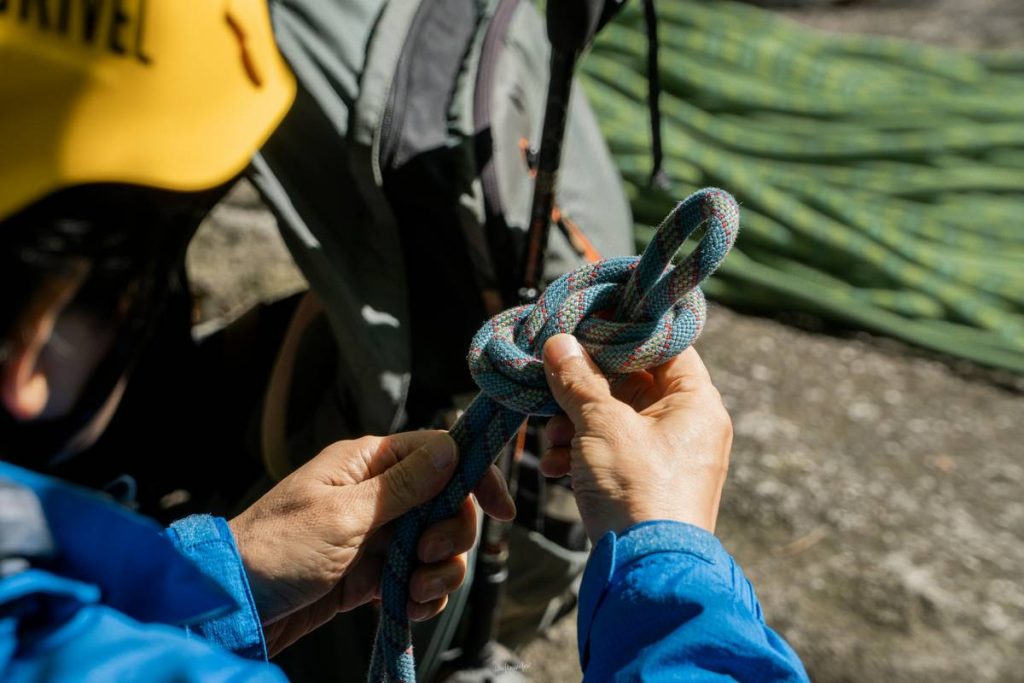
If you’ve ever clipped into a rope without knowing whether it was dynamic or static, you’ve already made a dangerous gamble. I learned this the hard way during a multi-pitch climb in Red River Gorge—my belay partner accidentally grabbed a static rope for lead climbing, and when I took a short fall, the jolt nearly dislocated my shoulder. That moment cemented a crucial truth: Dynamic vs. Static Ropes isn’t just gear trivia—it’s a life-or-death distinction, especially when your belay device is your last line of defense.
This guide cuts through the confusion with field-tested insights, safety protocols, and real-world examples so you never confuse these two critical rope types again. Whether you’re trad climbing in Yosemite or top-roping at your local crag, understanding this difference protects both you and your partner.
Table of Contents
- Why Rope Type Matters in Climbing Safety
- How to Choose the Right Rope: A Step-by-Step Guide
- 5 Best Practices for Safe Rope Handling
- Case Study: What Happens When You Mix Them Up?
- FAQs About Dynamic and Static Ropes
Key Takeaways
- Dynamic ropes stretch (6–10%) to absorb fall energy; static ropes stretch less than 5% and are unsafe for lead falls.
- Never use a static rope for lead or top-rope climbing—only for rappelling, hauling, or fixed lines.
- Always check the rope’s UIAA certification label before use.
- Your belay device must match your rope type and diameter.
- Mixing up rope types is among the top preventable errors in climbing accidents, per the American Alpine Club.
Why Rope Type Matters in Climbing Safety
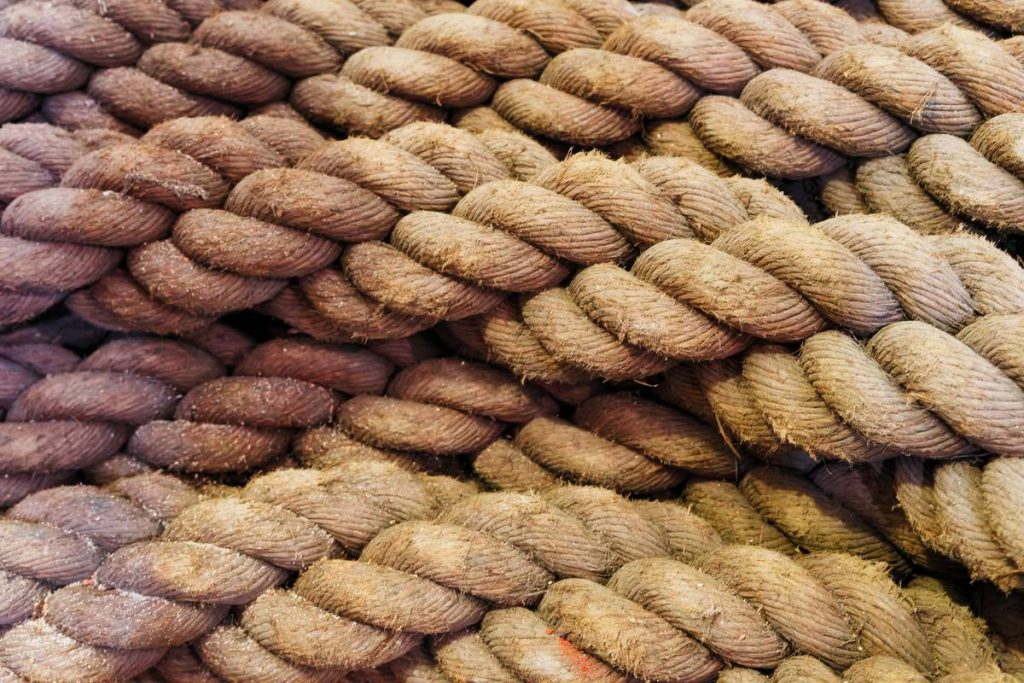
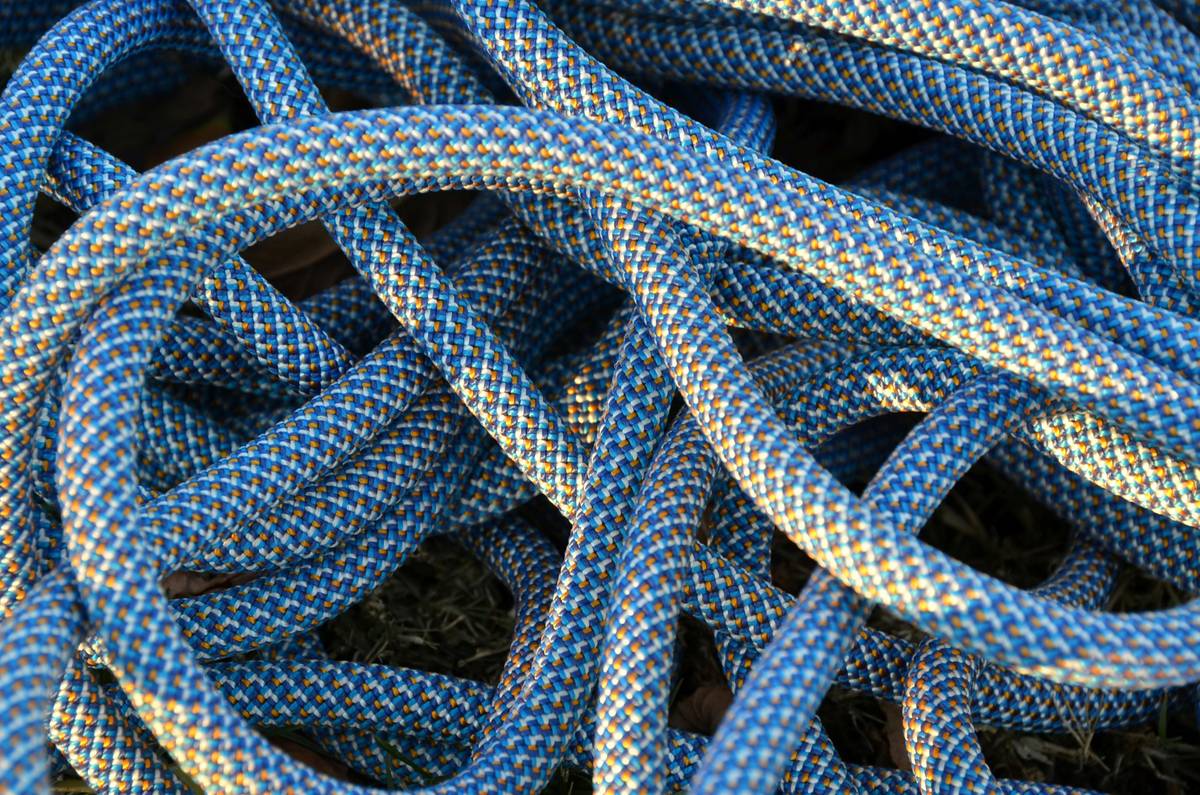
In climbing, the rope isn’t just a tool—it’s your lifeline. And confusing Dynamic vs. Static Ropes can turn that lifeline into a liability. Dynamic ropes are engineered to elongate under load, dissipating the force of a fall across time and distance. Static ropes, by contrast, barely stretch—making them ideal for controlled scenarios like rescues or ascending fixed lines, but disastrous during a fall.
According to the UIAA (International Climbing and Mountaineering Federation), a typical dynamic rope can reduce peak impact force to around 8–9 kN during a standard fall test. A static rope under the same conditions can transmit forces exceeding 15 kN—enough to damage gear, injure bones, or even cause anchor failure. This isn’t theoretical: the American Alpine Club’s annual accident reports consistently cite incorrect rope selection as a contributing factor in serious incidents.
How to Choose the Right Rope: A Step-by-Step Guide
1. Identify Your Activity
Lead climbing? Top-roping? Rappelling? Hauling gear? Match the rope to the task:
- Dynamic ropes: Lead climbing, sport climbing, trad climbing, top-roping.
- Static/low-stretch ropes: Rappelling, rescue operations, hauling systems, fixed lines.
2. Check the Label
Every certified climbing rope carries a UIAA or CE mark with clear labeling. Look for “Type I” (dynamic single), “Type II” (half/twin), or “Type C” (static). If it doesn’t say “dynamic,” assume it’s not safe for falls.
3. Confirm Compatibility with Your Belay Device
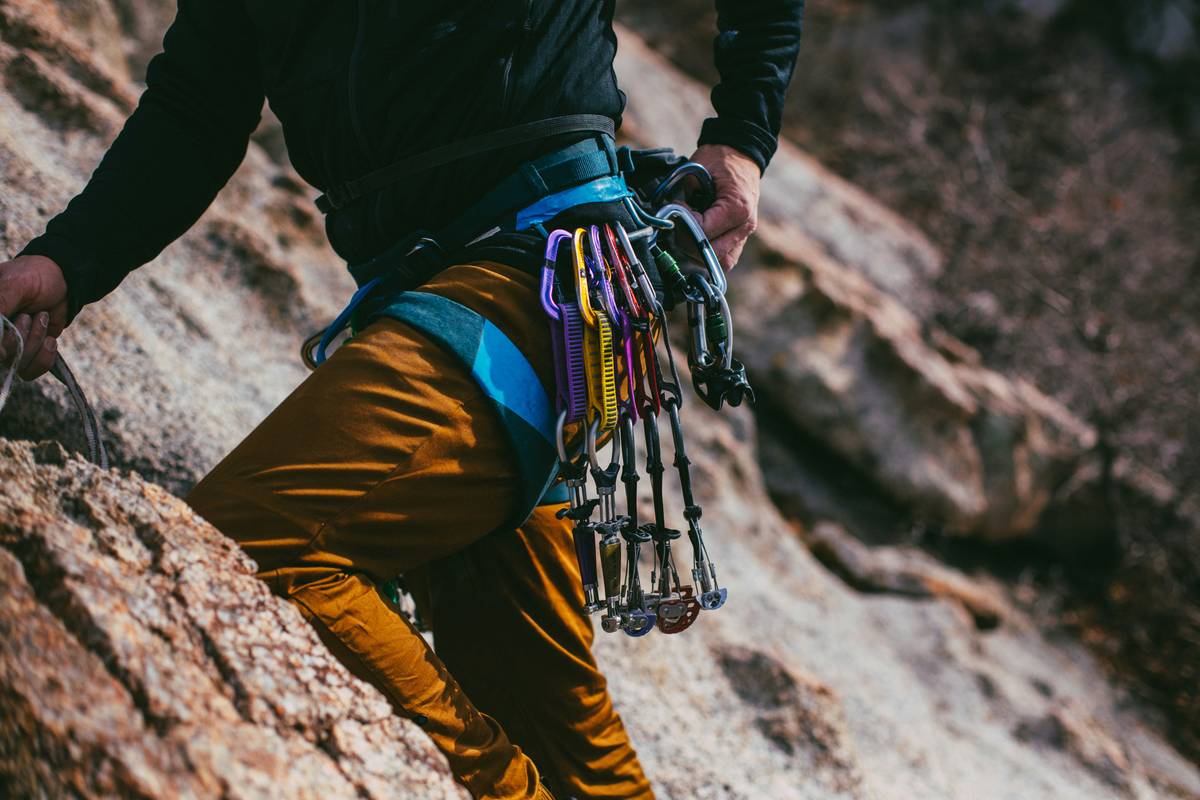
Not all belay devices work with all rope diameters. For example, the Petzl GriGri requires ropes between 8.5–11 mm. Using a thin static rope (often 9 mm or less) in an auto-locking device designed for dynamic ropes can compromise braking performance—a terrible tip I once heard: “Just feed any rope through—it’ll hold.” Don’t believe it.
5 Best Practices for Safe Rope Handling
- Color-code your ropes: Keep dynamic ropes one color (e.g., red) and static another (e.g., blue) to avoid mix-ups at the crag.
- Inspect before every use: Check for sheath abrasion, core shots, or stiffness—especially near knots.
- Retire after major falls: Even if undamaged, a rope that’s caught a severe fall should be retired from lead duty.
- Store properly: Keep ropes dry, out of UV light, and loosely coiled—never stuffed in a damp pack.
- Train new climbers explicitly: Never assume they know the difference between dynamic and static. Show them, test them.
Case Study: What Happens When You Mix Them Up?
In 2022, a climber in Colorado suffered spinal compression after falling 4 meters on a static rope mistakenly used for top-roping. The rope transmitted an estimated 14 kN of force—nearly double what a dynamic rope would have produced. Emergency responders noted the rope showed no visible damage, reinforcing why performance, not appearance, matters. Meanwhile, professional guides rely on static ropes safely—for rappel backups. The key? Context. As explained in the American Alpine Club’s Accidents in North American Climbing report, intentionality prevents tragedy.
At Mobbisur, we emphasize education alongside equipment. Learn more about our safety philosophy on our About Us page.
FAQs About Dynamic and Static Ropes
Can I use a static rope for top-roping?
No. Even short falls generate high impact forces on static ropes, risking injury and gear failure. Always use a dynamic rope for any scenario involving potential falls.
How much do dynamic ropes stretch?
In a standard UIAA fall test, dynamic single ropes elongate 6–10%. Low-stretch “semi-static” ropes may extend 3–5% but are still unsuitable for lead climbing.
Are static ropes stronger than dynamic ropes?
They often have higher tensile strength (e.g., 22 kN vs. 18 kN), but strength alone doesn’t matter if the rope can’t absorb energy. Climbing safety depends on force reduction, not breaking strength.
What’s the lifespan of a dynamic rope?
With proper care, 3–5 years of regular use—but retire immediately after a major fall or if signs of wear appear. Store it away from chemicals and sunlight to maximize life.
Does rope diameter affect dynamic performance?
Yes. Thinner ropes (8.5–9.2 mm) are lighter but may wear faster and require compatible belay devices. Thicker ropes (9.8–10.5 mm) offer durability and easier handling for beginners.
Where can I get personalized advice on rope selection?
We’re happy to help! Contact us with your climbing style, location, and goals—we’ll point you to the right gear. And rest assured, your data stays protected per our Privacy Policy.
Remember: your rope choice speaks louder than your belay call. Choose wisely, climb safely—and never let the wrong fiber decide your fate.