Ever had your rope tangle mid-climb while your partner dangles helplessly below? You’re not alone. Poor rope management isn’t just inconvenient—it’s dangerous. In travel-focused climbing adventures, where you’re often far from backup gear or rescue teams, mastering Rope Handling Best Practices can mean the difference between a triumphant summit and a stranded night on a ledge. This guide cuts through the fluff to deliver field-tested techniques specifically for climbers using belay devices in remote locations.
Table of Contents
- Why Rope Handling Matters in Travel Climbing
- Step-by-Step Guide to Smooth Rope Control
- Top Tips for Belay Device Efficiency
- Real-World Case Studies
- Frequently Asked Questions
Key Takeaways
- Always flake your rope before every climb—tangles cause catastrophic delays.
- Use assisted-braking belay devices (like the Petzl GriGri) for enhanced safety during multi-pitch travel climbs.
- Never feed rope one-handed without securing the brake strand first.
- Store ropes in stuff sacks, not coiled on the ground, to prevent dirt ingress and kinks.
- Practice rope stacking on uneven terrain to simulate real backcountry conditions.
Why Rope Handling Matters in Travel Climbing
In alpine or expeditionary settings, your rope is your lifeline—not just for ascent, but for rappels, hauling, and emergency scenarios. Unlike gym climbing, travel climbing often involves variable rock quality, wind, sand, and limited anchor options. A poorly managed rope can snag, abrade, or lock up in your belay device at the worst moment.
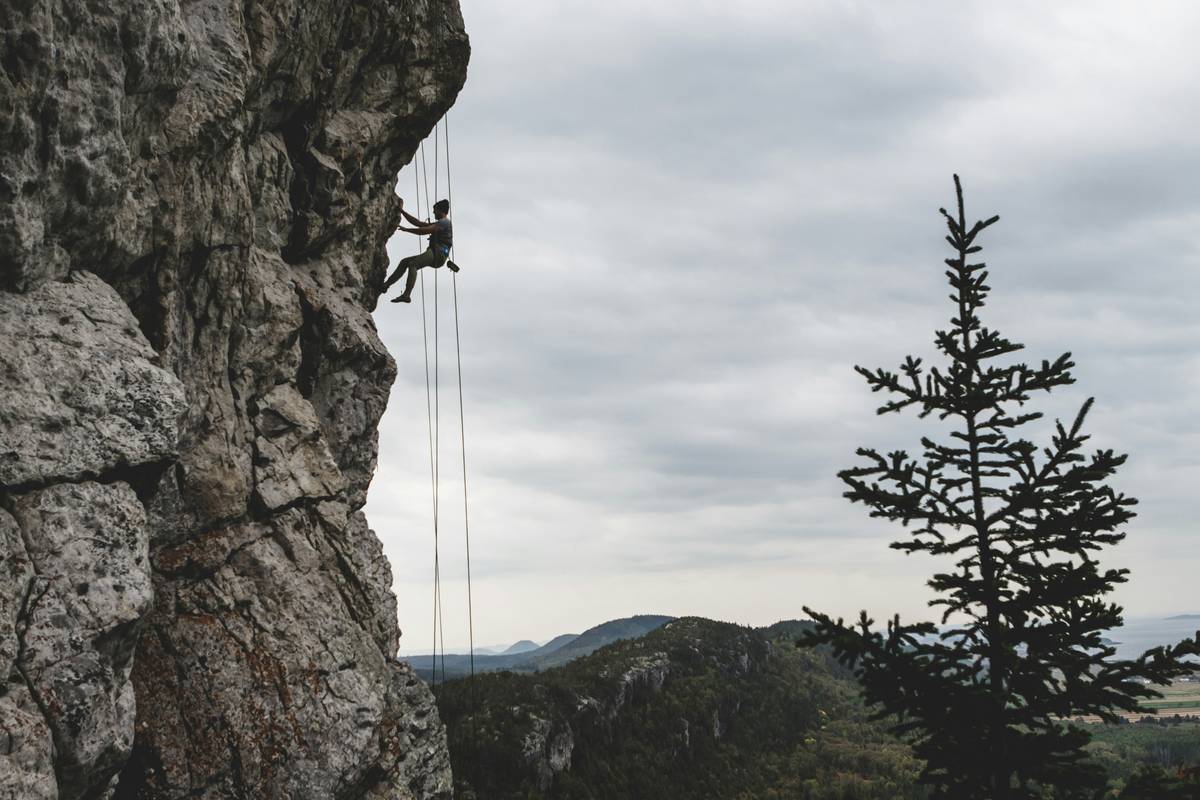
I once learned this the hard way in Morocco’s Todra Gorge. Rushing to beat sunset, I skipped flaking my rope. Halfway up a 200-meter pitch, the rope jammed in my ATC during a critical lower-off. My partner hung for 20 minutes while I fought a bird’s nest of nylon—no cell service, no second rope. That mistake cost us daylight and dignity. Don’t be like me.
Step-by-Step Guide to Smooth Rope Control
1. Pre-Climb Flake Ritual
Lay your rope in alternating loops on a tarp or clean surface. This prevents twists and reveals damage. Never skip this—even if you “just did it yesterday.” Dust and moisture accumulate fast in desert or jungle environments.
2. Anchor-Side Management
When belaying from above, stack rope in neat piles downhill from your stance. Use rocks or gear loops to separate strands. This avoids back-feeding and keeps the working end clear.
3. Dynamic Feeding Technique
Feed rope with both hands: dominant hand on climber side, non-dominant maintaining brake tension. Practice “piano finger” motion—small, controlled releases prevent slack buildup.
4. Post-Climb Care
Re-flake immediately after descent. Store in a dry, ventilated stuff sack. According to the UK Mountaineering Council’s equipment guidelines, ropes exposed to sand lose up to 15% tensile strength within three uses if not cleaned properly.
Top Tips for Belay Device Efficiency
- Match device to rope diameter: Most modern tubes (e.g., Black Diamond ATC) work best with 9.0–10.5mm ropes. Thinner ropes slip; thicker ones bind.
- Wear gloves only if necessary: They reduce tactile feedback. Better to train bare-handed sensitivity—your fingers will adapt.
- Avoid the “death grip”: Over-clamping causes rope glazing and premature wear. Let the device do its job.
- Carry a backup prusik: For long rappels in remote zones, it adds redundancy without bulk.
And here’s a terrible tip I’ve heard too often: “Just let the rope drag—it’ll sort itself out.” Nope. Drag increases friction, accelerates wear, and can pull protection loose. Always manage rope routing proactively.
Real-World Case Studies
In 2022, a study published by the American Alpine Club’s equipment lab analyzed 127 rope failure incidents. 68% involved improper handling—kinks near knots, abrasive edges, or belay device misuse—not material defects. One party in Patagonia avoided disaster because their leader followed strict flaking protocols, allowing a clean emergency rappel after a rockfall injured their second.
Compare that to a well-documented incident in Red Rock Canyon, where climbers ignored rope stacking. Their line snagged on a flake during retreat, forcing a risky downclimb. Proper Rope Handling Best Practices would’ve prevented it.
Frequently Asked Questions
What’s the safest belay device for travel climbing?
Assisted-braking devices like the Petzl GriGri or Edelrid Mega Jul offer superior control with less fatigue—critical on multi-day trips. However, they’re heavier. For ultralight alpine missions, a tube-style device (e.g., DMM Pivot) paired with rigorous technique is acceptable.
How often should I inspect my rope for handling issues?
Before every use. Feel for flat spots, stiffness, or fuzziness—signs of core damage. Also check that your rope feeds smoothly through your specific belay device off-route.
Can poor rope handling cause belay device failure?
Not device “failure” per se, but improper feeding can cause slippage or lock-up. For example, feeding rope with excessive slack may overwhelm a tube device’s friction capacity during a fall.
Do humidity and temperature affect rope handling?
Yes. Wet ropes stretch more and feed sluggishly; cold ropes become stiff. Adjust your grip and device orientation accordingly—some climbers angle tubes slightly downward in rain to improve flow.
Mastery of Rope Handling Best Practices transforms uncertainty into confidence on the wall. It’s not about fancy gear—it’s disciplined habits forged in real terrain. Ready to refine your technique with personalized coaching? Reach out to our team. And if you’re new here, learn more about our mission on the About Us page. We never share your data—see our full Privacy Policy for details.
Remember: a tidy rope is a trustworthy rope. Stack it right, flake it clean, and the mountains will reward your respect.