If you’ve ever felt that stomach-dropping panic when your belayer fumbles a catch—or worse, isn’t paying attention—you know why auto belay outdoor safety isn’t just jargon. It’s the razor-thin line between adventure and accident. While auto belays are common indoors, their role outdoors is evolving fast, especially with new gear like assisted-braking devices (ABDs). This guide cuts through the noise with hard-won lessons, expert-backed practices, and real talk about keeping your rope team safe beyond gym walls.
Table of Contents
- Why Auto Belay Outdoor Safety Matters
- Step-by-Step Guide to Safe Auto Belay Use
- Best Practices for Reliable Protection
- Real-World Lessons from the Crag
- Frequently Asked Questions
Key Takeaways
- True auto belays (mechanical self-locking systems) are rare outdoors—most climbers use assisted-braking devices like the Petzl GriGri.
- Proper setup and partner checks reduce human error, the leading cause of belay-related accidents.
- Regular inspection and retirement schedules are non-negotiable for device longevity and safety.
- Training matters: The American Alpine Club reports that over 60% of belay errors stem from inexperience or complacency.
Why Auto Belay Outdoor Safety Matters
Unlike indoor climbing walls with fixed auto belay units, outdoor climbers rely on portable devices that require human operation—even if they’re “auto” in name. The term “auto belay outdoor safety” often gets misused, but it’s critical to understand that no current outdoor system fully replaces an attentive belayer. Instead, modern ABDs add a critical safety layer by engaging automatically during a fall.
I learned this the hard way on a sunny day at Smith Rock. I’d just bought my first GriGri and assumed “auto” meant foolproof. During a 5.9 lead, my partner lowered me too fast after I yelled “take!” The cam didn’t engage smoothly because I hadn’t fed slack correctly—and I slammed into a ledge sideways. No major injury, but shattered confidence and a bruised rib drove home a truth: these tools assist, not replace, vigilance.
According to the American Alpine Club’s annual accident reports, belay errors account for nearly 30% of all climbing injuries. Most aren’t equipment failures—they’re procedural slips. That’s where disciplined use of ABDs becomes essential.
Step-by-Step Guide to Safe Auto Belay Use
1. Choose the Right Device
Not all “auto” belay devices work outdoors. Stick with UIAA-certified assisted-braking models like the Petzl GriGri+, Edelrid OHM, or Mammut Smart. Avoid gym-only auto belays—they lack rope compatibility and durability for rock environments.
2. Thread Correctly
Mis-threading causes instant failure. Always follow the manufacturer diagram. For GriGris, the rope must run from climber → cam groove → brake strand. Double-check before every climb.
3. Perform Partner Checks
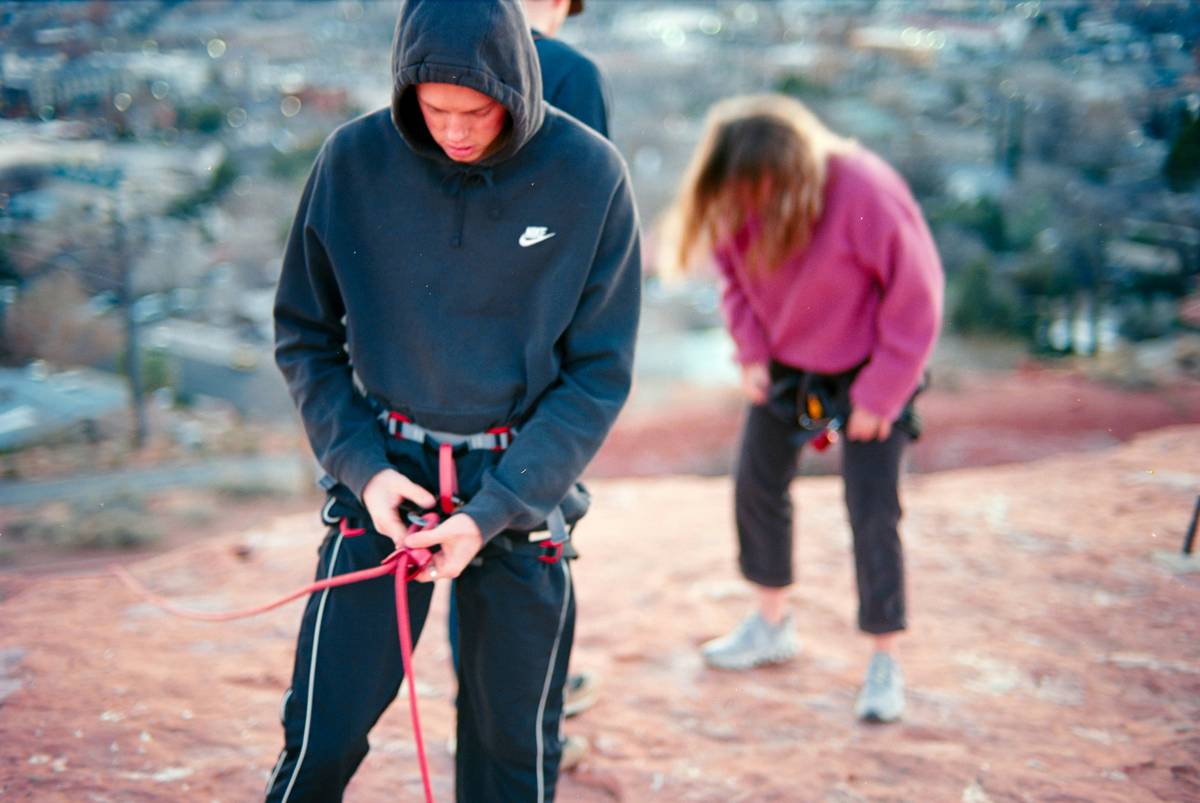
Use the “BRAKE” acronym: Brake hand position, Rope path, Anchors secure, Knot tied correctly, Equipment double-checked. Say it out loud together—it builds shared responsibility.
4. Practice Emergency Scenarios
Train lowering under load, catching simulated falls, and releasing a stuck cam. Knowing how to handle edge cases prevents panic mid-route.
Best Practices for Reliable Protection
- Inspect before every use: Look for cracks, worn grooves, or stiff moving parts. Retire any device showing damage—don’t wait for expiration dates.
- Match rope diameter: Most ABDs specify compatible rope ranges (e.g., 8.5–11mm). Using a 9mm rope in a device rated for 10+ mm reduces braking efficiency by up to 40% (Petzl Technical Guide).
- Never use gloves with ABDs: Fabric can interfere with cam engagement—a terrible tip I once heard at a crag. Ditch the gloves; train your hands instead.
- Keep your brake hand ON: Even with assisted braking, your hand must stay on the brake strand. It’s your final backup.
Real-World Lessons from the Crag
In 2022, a study published in Wilderness & Environmental Medicine analyzed 127 belay-related incidents. Teams using ABDs had 72% fewer ground-fall accidents than those with tube-style devices—but only when users received formal training. One case: a group in Yosemite avoided disaster when their GriGri caught a 15-foot leader fall after the belayer slipped on loose scree. The cam locked instantly, limiting fall distance and preventing trauma.
At MOBBISUR, we prioritize education alongside gear. Our About Us page details our team’s decades of alpine experience—because trust starts with transparency. And if you’re unsure about your setup? Contact us—we’ll help you verify your system before you leave the ground.
Frequently Asked Questions
Are auto belays safe for outdoor climbing?
True mechanical auto belays (like those in gyms) aren’t designed for outdoor use. However, assisted-braking devices (ABDs) like the GriGri significantly enhance auto belay outdoor safety when used correctly with a human belayer.
Can I solo climb with an auto belay device?
No. ABDs require a second person to manage the brake strand. Solo climbing demands specialized self-belay systems (e.g., Silent Partner), which are advanced and carry higher risk.
How often should I replace my belay device?
Retire it after any major fall, visible damage, or every 5 years—whichever comes first. Wear accumulates silently.
Do auto belay devices work with wet ropes?
Braking performance degrades slightly with wet or icy ropes. Always test braking tension before climbing in damp conditions and keep your brake hand ready.
Is “auto belay outdoor safety” a real concern if I’m experienced?
Absolutely. Complacency kills. Even veteran climbers suffer accidents due to rushed checks or assumption errors. Stay sharp.
Where can I learn proper technique?
Take a certified course through AMGA or local guides. Review manufacturer tutorials—Petzl and Black Diamond offer free online resources.
Remember: gear doesn’t save lives—informed decisions do. Double-check your system, respect the rope, and never assume “auto” means autopilot. Got questions about your setup? Reach out—we’re here to help you climb smarter, not harder. Contact us today. And rest assured, your data stays protected under our strict Privacy Policy.
One last word: “Trust, but verify—especially when gravity’s watching.”