Imagine lowering your partner off a multi-pitch route—only for the rope to jam mid-descent. No backup plan. Just friction, panic, and physics. This isn’t hypothetical. It happens when climbers ignore Belay Device Compatibility. The wrong match between rope diameter, device geometry, and climber weight turns safety systems into liabilities. But there’s a fix—and it starts with understanding what most manufacturers won’t spell out.
Why “Universal” Belay Devices Aren’t Universal
Brands slap “works with 7.7–11mm ropes” on packaging like it’s gospel. Reality? That range is a legal buffer—not a performance guarantee. A 9.2mm rope might slide smoothly through an ATC in dry conditions but seize up when icy or muddy. And tube-style devices behave wildly differently with skinny single ropes versus fat doubles. Your belay device doesn’t “know” your rope—it only responds to contact angles and surface tension. Misalignment here equals runaway loads or stuck strands.
And human error compounds it. Many climbers buy based on color or brand loyalty—not lab-tested kinematics.
The Step-by-Step Guide to Perfect Belay Device Compatibility
Match Rope Diameter to Device Groove Geometry
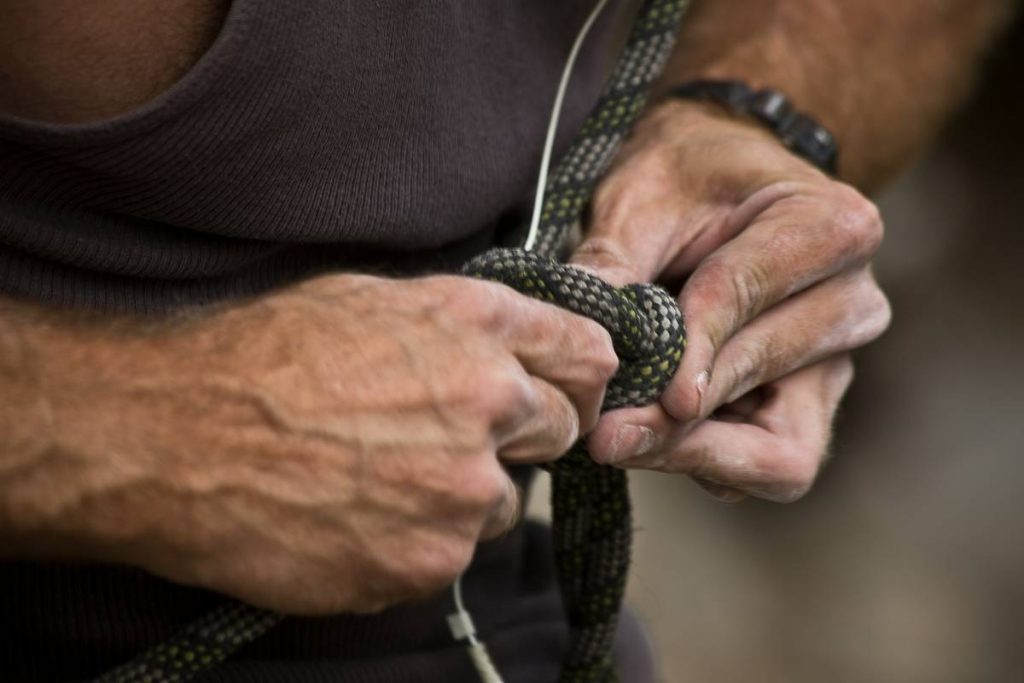
Not all 9mm ropes are equal. Sheath thickness, core construction, and even dye batches alter stiffness. Run this test: Feed 30cm of your actual climbing rope through the device. Does it glide with light thumb pressure—or resist like sandpaper? If you need two hands to pull it through, compatibility is poor—even if specs say otherwise.
Account for Climber-to-Belayer Weight Ratios
A 50kg climber leading above a 90kg belayer risks rope slippage in assisted-braking devices (like GriGris). Flip that ratio, and the heavier leader may overwhelm the belayer’s ability to hold a fall. The math is simple: dynamic friction must exceed gravitational force. Most guides ignore this—but it’s why gym staff re-rig top ropes for lightweight kids.
Environmental Stress Testing
Mud, ice, and chalk dust change everything. Spray your rope-device combo with water. Toss fine dirt into the mechanism. Now try lowering under load. If performance degrades more than 20%, that pairing fails real-world standards—no matter what the manual claims.
| Belay Device Type | Ideal Rope Diameter (mm) | Max Safe Leader Weight (kg) w/ 60kg Belayer | Degradation Risk (Wet/Muddy) |
|---|---|---|---|
| Tubular (e.g., Black Diamond ATC) | 8.5–11.0 | 85 | Moderate |
| Assisted-Braking (e.g., Petzl GriGri+) | 8.9–10.5 | 100 | High (jams if dirty) |
| Guide Mode (e.g., DMM Pivot) | 7.7–9.0 (doubles) | 75 | Low |
| Figure-8 | 9.0–11.0 | 95 | Very Low |
The Industry Secret: Rope Memory Matters More Than You Think
Here’s what gear reps won’t tell you: New ropes have “memory.” They retain coiling tension for weeks. That slight curl prevents full seating in narrow-device grooves—creating micro-slippage during critical moments. Seasoned climbers solve this by pre-stretching ropes through multiple rappels before lead use. Yet no compatibility chart accounts for rope age or usage cycles. A 6-month-old 8.9mm rope may behave like a 9.3mm fresh one. Always test with your actual, used rope—not showroom samples.
Frequently Asked Questions
Does Belay Device Compatibility affect rappelling safety?
Absolutely. Mismatched pairs cause inconsistent descent control—especially with wet or icy ropes. Always verify your device handles your rope at full rappel speed before committing.
Can I use a GriGri with twin ropes?
No. Petzl explicitly prohibits it. Twin ropes don’t feed evenly through assisted-braking mechanisms, risking catastrophic failure. Use a tube-style device instead.
How often should I re-test compatibility?
After every major rope exposure—big falls, heavy mud, or after 30+ days of storage. Rope sheath compression changes over time, altering interaction with your device.