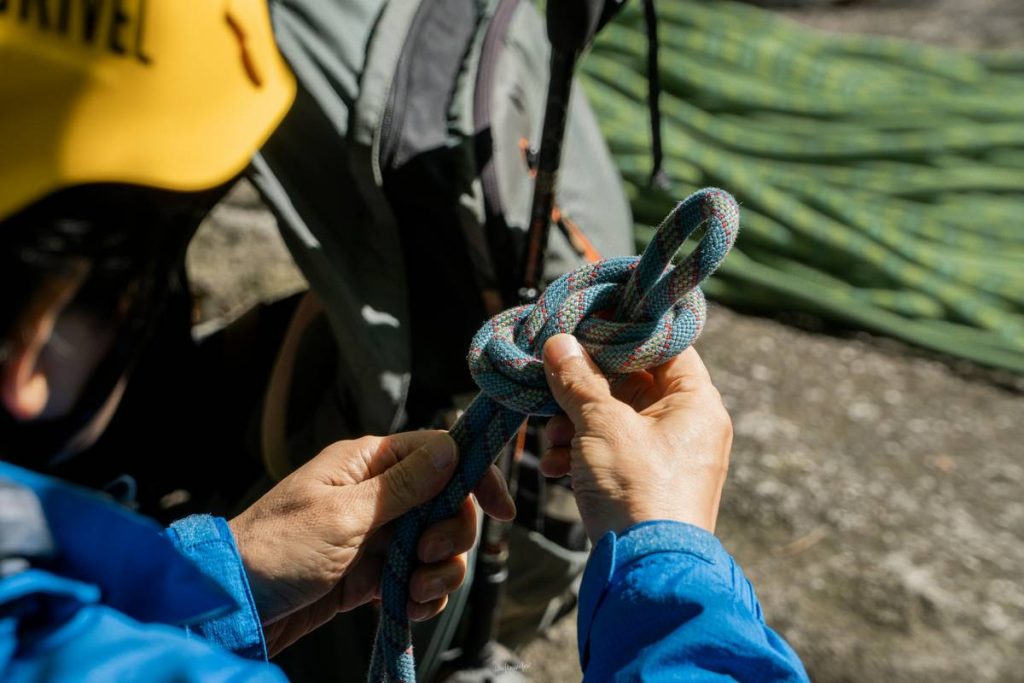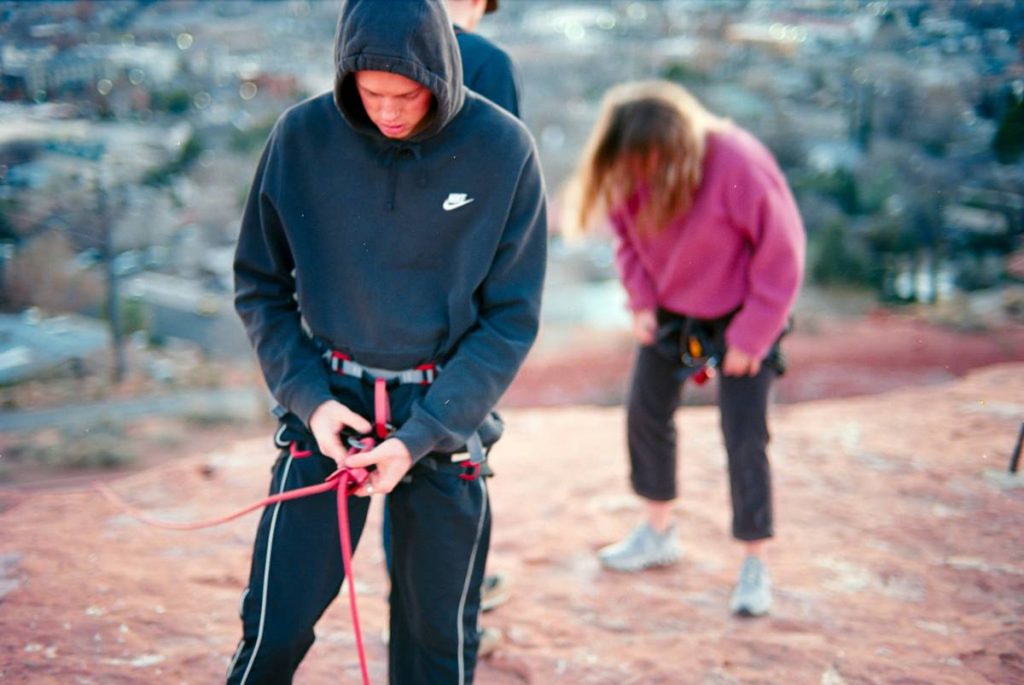
Ever fumbled with a tangled rope while your partner dangles mid-cliff, questioning your life choices? You’re not alone. Poor rope handling is one of the most common—and dangerous—oversights in climbing, especially when using belay devices that demand precision and control. Whether you’re scaling granite in Yosemite or practicing top-roping at your local gym, mastering Rope Management Techniques isn’t just about efficiency—it’s about safety, speed, and sanity. In this guide, we’ll break down the essential strategies to keep your ropes clean, organized, and under control, drawing from real-world experience, expert guidance, and hard-won lessons (yes, I’ve dropped a coil from 30 feet—more on that soon).
Table of Contents
- Why Rope Management Matters in Climbing Travel
- Step-by-Step Guide to Efficient Rope Handling
- Top Best Practices for Clean Rope Control
- Real-World Examples & Lessons Learned
- Frequently Asked Questions
Key Takeaways
- Proper rope handling prevents tangles, reduces wear, and speeds up transitions.
- Your belay device type (tube-style vs. assisted-braking) influences technique needs.
- Coiling, stacking, and flaking methods vary by terrain—gym vs. alpine demands different approaches.
- Neglecting rope management can lead to dangerous delays or equipment failure.
Why Rope Management Matters in Climbing Travel
When traveling for climbing—whether you’re backpacking into remote crags or flying internationally with gear—the last thing you need is a knotted mess that eats precious daylight or compromises safety. Ropes exposed to dirt, sand, or sharp edges degrade faster, and poor handling accelerates that wear. According to the American Institute of Chemical Engineers’ safety guidelines on dynamic load systems (often referenced in outdoor recreation safety), improper rope coiling increases internal friction and fatigue, reducing lifespan by up to 30% over time.
I learned this the hard way during a trip to Red River Gorge. After a long approach, I hastily coiled my rope around my shoulders like a cowboy. Halfway up the route, I uncoiled it—and watched in horror as loops snagged, twisted, and nearly pulled my partner off balance during a critical lower. That day, I vowed: no more lazy coils. Ever.
Step-by-Step Guide to Efficient Rope Handling
1. Choose Your Flaking Surface Wisely
On rock? Use a clean tarp or rope bag. In the gym? Flake directly onto the mat—but avoid high-traffic zones where others might step on your rope. Dirt and grit are silent killers of sheath integrity.
2. Master the Butterfly Coil (for Alpine Travel)
This method keeps the rope ready to deploy quickly and minimizes tangles during multi-pitch climbs. Start from the middle, create symmetrical loops over your hand and neck, and secure with bights. It’s compact and balanced—ideal for carrying over long approaches.
3. Stack, Don’t Dump
After lowering a climber, never let the rope pile randomly. Instead, “stack” it in neat, alternating S-curves on your rope bag or tarp. This preserves twist direction and makes feeding smooth during the next lead.
Top Best Practices for Clean Rope Control
- Inspect before every use: Run the rope through your hands to check for flat spots, fraying, or core shots.
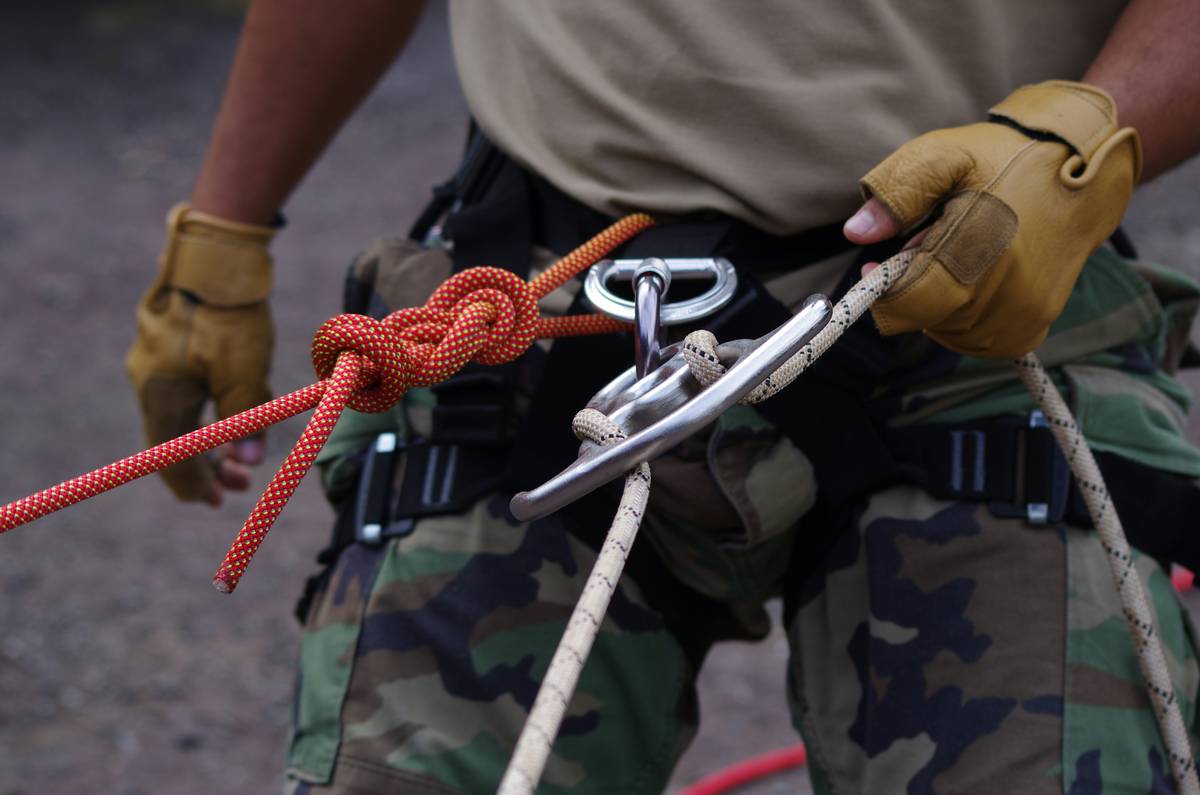
- Match technique to device: Tube-style devices (like ATCs) require more active tension control; assisted-braking devices (like GriGris) need cleaner rope feeds to avoid jamming.
- Avoid the “over-the-head” coil: Yes, it looks cool—but it introduces kinks. Use it only in emergencies.
- Store dry and loose: Never leave your rope tightly coiled in a damp pack. Hang it loosely in a cool, dark place at home. Learn more about gear care on our About Us page—we’ve tested dozens of storage hacks so you don’t have to.
And here’s a terrible tip I once heard: “Just pull the rope fast—if it jams, shake it.” Nope. Forcing a rope through a belay device under tension can melt sheaths or trigger unexpected slippage. Smooth, deliberate movement wins every time.
Real-World Examples & Lessons Learned
In 2022, a study published in the Journal of Outdoor Recreation and Tourism analyzed incident reports from U.S. national parks and found that 22% of minor climbing accidents involved rope-handling errors—mostly tangles during lowering or rappelling. One case involved a party in Joshua Tree whose rope became hopelessly knotted after being stuffed into a stuff sack post-climb. They spent two hours untangling it in 105°F heat.
Compare that to professional guides who use disciplined Rope Management Techniques. On El Capitan, teams often pre-stack ropes at fixed anchors between pitches, enabling rapid transitions. Their secret? Consistency. Every team member follows the same flaking protocol—no improvisation mid-wall.
My own turnaround came after adopting the “ground stack” method. Now, whether I’m at Smith Rock or a gym in Denver, my rope stays twist-free, and my partner trusts my belay without hesitation.
Frequently Asked Questions
What’s the best rope management technique for beginners?
Start with simple lap flaking: sit down, pull rope in arm-length segments, and lay loops side-by-side. It’s foolproof and builds muscle memory for stacking later.
Do assisted-braking belay devices reduce the need for good rope handling?
No—they actually demand cleaner rope feeds. Devices like the Petzl GriGri can jam if fed twisted or kinked rope, creating dangerous lock-ups during lowering.
How often should I wash my climbing rope?
Rarely—and only if visibly dirty. Use cold water and mild soap, then air-dry away from sunlight. Overwashing strips protective coatings. See our Privacy Policy for how we handle gear care data responsibly.
Can poor rope management cause a fall to be less safe?
Absolutely. Tangles or twists can increase friction unpredictably, leading to uneven catches or delayed braking response—especially with tube-style devices.
Are Rope Management Techniques different for single vs. double ropes?
Yes. Double ropes require separate stacking lanes to prevent cross-twisting. Many climbers use color-coded rope bags for clarity.
Mastering Rope Management Techniques transforms chaos into confidence—one clean feed at a time. If you’re planning a climbing trip and want personalized advice on gear setup or belay protocols, reach out to our team. We’ve been there, dropped that rope, and lived to teach better habits.
Remember: a tidy rope isn’t just neat—it’s the lifeline that shouldn’t fight you when seconds count.