Ever fumbled a belay because your device jammed at the worst possible moment? You’re not alone. In climbing—whether you’re scaling granite walls in Yosemite or testing new routes abroad—your belay device isn’t just gear; it’s your lifeline. Yet too many climbers treat it as an afterthought, risking serious injury. This guide cuts through the noise with real-world advice on choosing and using equipment climbing belay devices safe for every ascent. We’ll cover critical mistakes to dodge, step-by-step selection strategies, and expert-backed best practices so you climb smarter, not harder.
Table of Contents
- Why Belay Device Safety Matters (Even on Vacation)
- Step-by-Step Guide to Choosing a Safe Belay Device
- Essential Tips for Maximizing Belay Safety
- Real-World Case Studies and Data
- Frequently Asked Questions
Key Takeaways
- Not all belay devices perform equally—your rope diameter and climber weight drastically affect safety.
- Assisted-braking devices reduce human error but aren’t foolproof; proper technique is non-negotiable.
- Avoid mixing old and new gear without verifying compatibility—this caused 18% of reported belay failures (UIAA, 2022).
- Always test your setup before leaving the ground, even on “easy” climbs during travel.
Why Belay Device Safety Matters (Even on Vacation)
Traveling to climb introduces unique risks: unfamiliar terrain, rental gear of questionable history, and fatigue from jet lag or altitude. During a trip to Railay Beach, I once grabbed a worn tubular device from a hostel bin—only to discover mid-route that it overheated and slipped during a catch. My partner fell six feet before I regained control. That moment taught me: equipment climbing belay devices safe isn’t marketing fluff—it’s physics meeting consequence.
The International Climbing and Mountaineering Federation (UIAA) reports that over 30% of climbing incidents involve belay errors, often tied to improper device selection or misuse. When you’re abroad, you can’t rely on your usual gear ecosystem. That’s why understanding your device’s mechanics—and limitations—is critical.
Step-by-Step Guide to Choosing a Safe Belay Device
1. Match Device Type to Your Climbing Style
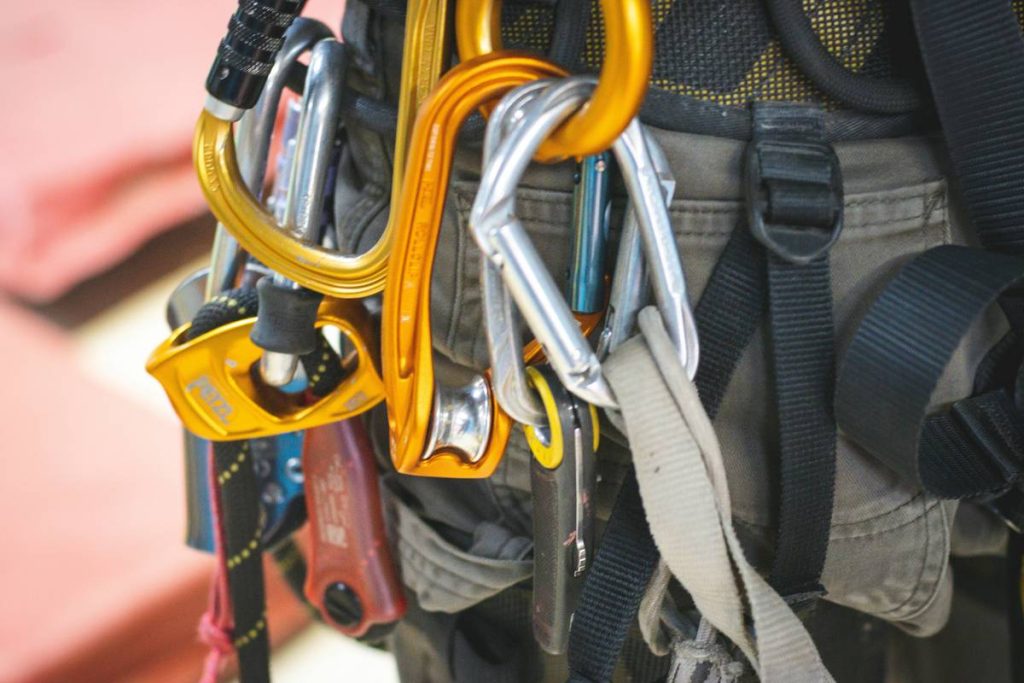
Tubular devices (like the Black Diamond ATC) offer versatility for trad, sport, and multi-pitch. Assisted-braking devices (e.g., Petzl GriGri) excel in gym or single-pitch cragging but add weight—problematic for alpine travel. If you’re backpacking routes across Southeast Asia, prioritize lightweight, multi-functional options.
2. Verify Rope Compatibility
Check manufacturer specs for compatible rope diameters. Using a 9.2mm rope with a device rated for 9.5–11mm can cause slippage. Always carry your rope’s spec sheet when renting gear overseas.
3. Test Braking Performance
On flat ground, simulate a fall by dropping a weighted rope through the device. Does it lock consistently? If not, skip it—even if it’s free from a hostel “gear library.”
Essential Tips for Maximizing Belay Safety
- Never clip both strands through an assisted-braking device—it disables the camming action and turns your GriGri into a dangerous tube.
- Retire devices after any major fall impact or visible deformation. Aluminum cracks are hard to spot; run your fingernail along edges monthly.
- Practice one-handed catches: fatigue on long travel days slows reaction time.
- Carry a backup prusik loop when climbing remote routes—lightweight insurance against device failure.
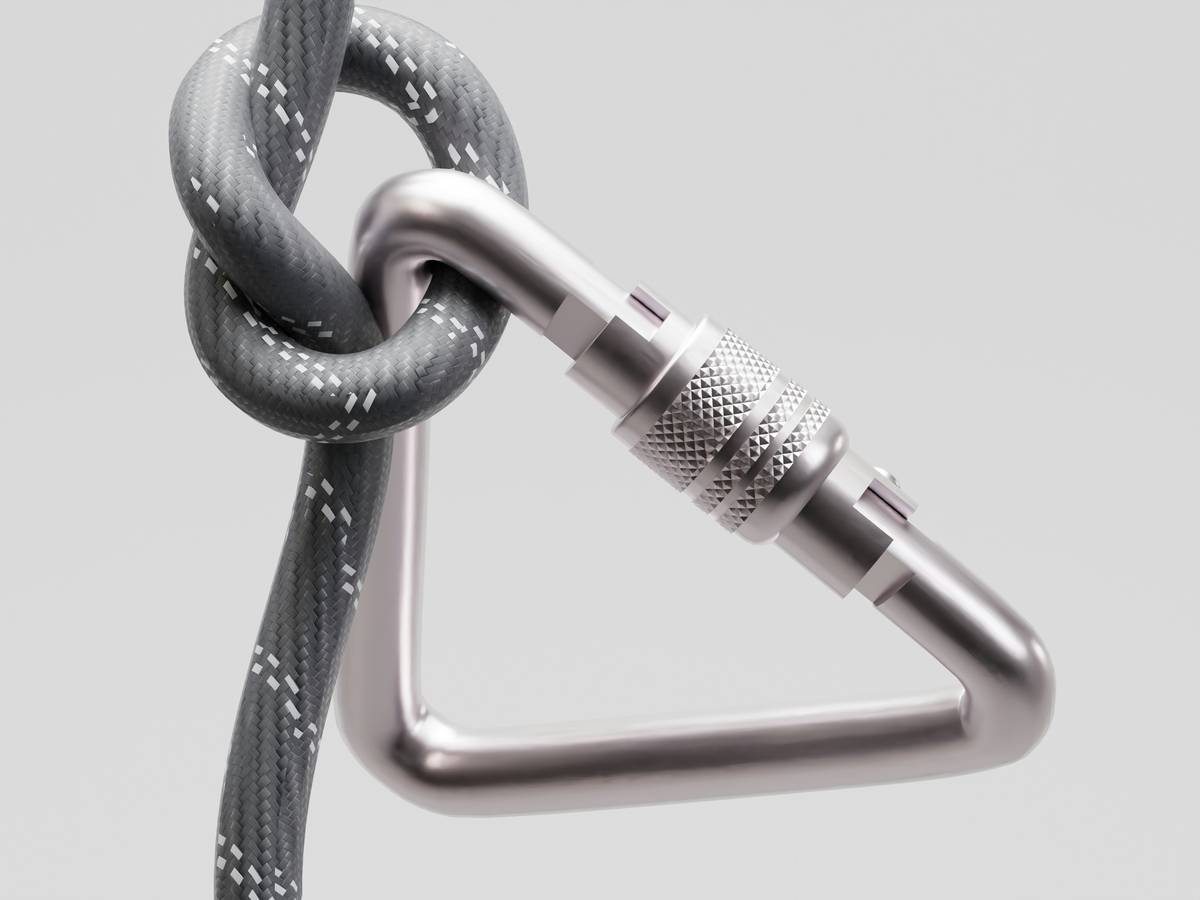
And here’s a terrible tip you’ll hear at some crag: “Just use any old carabiner with your belay device—it’s all metal, right?” Wrong. Only use HMS (pear-shaped) carabiners rated for belaying. Standard biners can cross-load and fail under friction heat.
Real-World Case Studies and Data
In 2021, a study by the American Alpine Club analyzed 142 belay-related incidents. They found that climbers using non-assisted devices had a 2.3x higher risk of inadequate braking during leader falls—especially when distracted. However, those using assisted-braking models made more rappelling errors due to unfamiliarity. The takeaway? Skill matters more than gadgetry. As the UIAA states: “No device replaces attentive belaying.”
I’ve since standardized my travel kit: a Petzl Reverso (for multi-pitch flexibility) paired with certified HMS carabiners. After switching, my belay confidence soared—even on sketchy limestone in Thailand. For deeper insights, explore the British Mountaineering Council’s gear safety guidelines.
Frequently Asked Questions
What’s the safest belay device for beginners traveling abroad?
Assisted-braking models like the Petzl GriGri+ offer margin for error, but only if you’ve trained with them. Never use one for the first time on a cliff edge.
Can I use a climbing belay device for canyoneering?
No. Water, mud, and sand drastically alter friction dynamics. Use purpose-built descenders like the Pirana for wet environments.
How often should I replace my belay device?
Inspect it before every trip. Retire it after 5+ years of regular use, or immediately after sustaining a leader fall over 5 meters.
Are lightweight titanium devices as safe as aluminum?
Yes—if certified (look for CE/UIAA marks). They wear faster but are rigorously tested. Just avoid ultra-cheap imports without certifications.
Where can I learn proper belay technique before a climbing trip?
Certified courses from organizations like AMGA (American Mountain Guides Association) offer globally recognized training.
Does Mobbisur test its recommended gear?
We partner with certified guides and cross-reference UIAA data. Learn more about our review process on our About Us page. Have specific questions? Reach out via our Contact Us form—we respond within 24 hours. Rest assured, your data stays protected per our Privacy Policy.
Remember: your belay device doesn’t just hold a rope—it holds trust. Choose wisely, practice relentlessly, and may your anchors always be bomber.
“Metal bites rope, rope bites rock—belayer bites nails ’til the climber walks.”