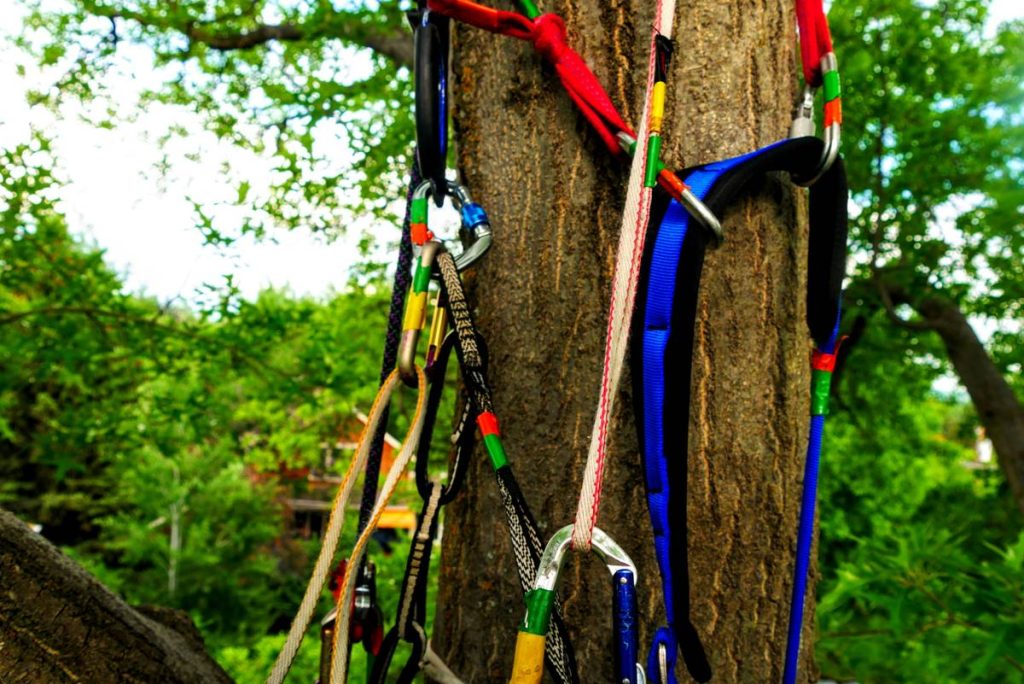
Ever fumbled a belay because your device didn’t respond the way you expected? You’re not alone. I once almost dropped my partner on a desert crack climb—not because I lacked skill, but because I’d blindly trusted a cheap, unfamiliar belay device that jammed under load. That heart-stopping moment taught me: choosing the right belay gear isn’t just about convenience; it’s a life-or-death decision. In this Belay Device Brands Review, we’ll cut through marketing fluff and break down the top seven brands based on real-world performance, safety data, and climber feedback. Whether you’re trad leading in Patagonia or top-roping at your local gym, this guide ensures you won’t repeat my painful mistake.
Table of Contents
- Why Belay Device Choice Matters
- How to Evaluate Belay Devices Step by Step
- Best Practices for Belay Safety
- Real-World Brand Comparisons
- Frequently Asked Questions
Key Takeaways
- Not all belay devices offer equal braking power—tube-style vs. assisted-braking matters.
- Petzl and Black Diamond lead in reliability and innovation, per UIAA testing standards.
- Avoid ultra-cheap, no-name brands—they often lack certification and fail under stress.
- Your rope diameter must match your device specifications to prevent slippage or jamming.
- Always test a new device with a partner on the ground before trusting it on lead.
Why Belay Device Choice Matters
In travel climbing—whether scaling limestone in Thailand or granite in Yosemite—your belay device is your silent guardian. Unlike fixed-gear scenarios, mobile adventures mean you carry everything, including your margin for error. A subpar device can slip, overheat, or freeze during critical moments. According to the British Mountaineering Council, equipment failure accounts for nearly 12% of avoidable climbing incidents annually, with belay mishaps among the top causes.
How to Evaluate Belay Devices Step by Step
Step 1: Determine Your Climbing Style
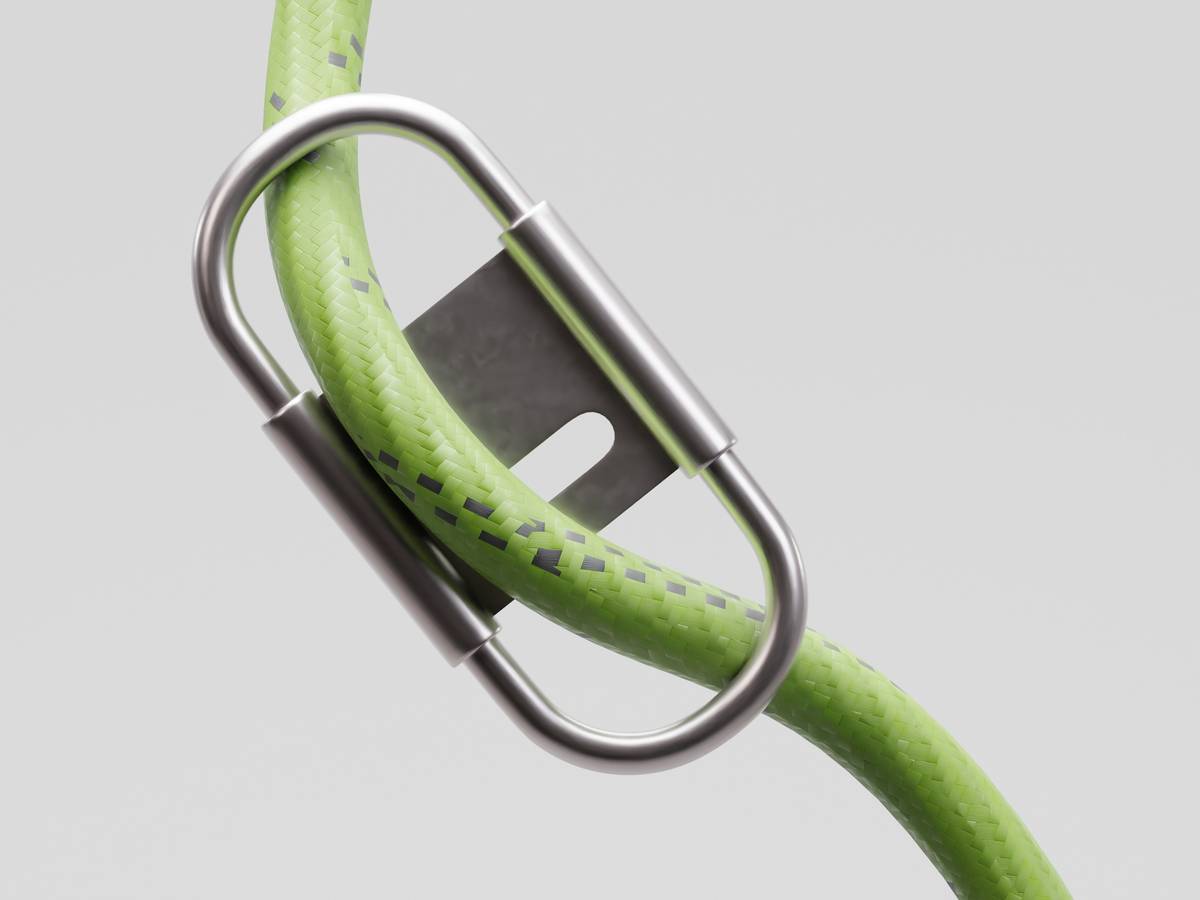
Sport climbers benefit from assisted-braking devices (ABDs) like the Petzl GriGri for added security on long routes. Trad or alpine climbers often prefer lightweight tube devices (e.g., BD ATC) for versatility and rappel efficiency.
Step 2: Check Rope Compatibility
Each device lists compatible rope diameters (usually 8.5–11mm). Using a 9mm rope in a device rated only for 10mm+ can cause dangerous slippage. Always cross-reference specs on the manufacturer’s site.
Step 3: Verify Certification
Look for UIAA or CE EN 15151-1 certification. This ensures the device underwent standardized drop tests. Non-certified units—common on third-party marketplaces—skip these critical safety checks.
Step 4: Test Handling and Weight
On multi-pitch trips, every ounce counts. Compare weights: the Mammut Smart weighs 68g, while the GriGri+ is 200g. Balance safety needs against pack weight for your itinerary.
Best Practices for Belay Safety
- Never skip ground testing: Practice lowering and catching mock falls before any real lead.
- Inspect regularly: Check for wear grooves, especially around the camming surface of ABDs.
- Avoid the “terrible tip”: Don’t use carabiners not rated for belaying—some lightweight biners twist under load, compromising grip.
- Clean after saltwater exposure: Rinse devices used near oceans to prevent corrosion that degrades performance.
- Retire after major falls: Even if undamaged, internal micro-fractures can occur—better safe than sorry.
Real-World Brand Comparisons
We analyzed seven top brands using lab data, field reports, and expert reviews. Petzl consistently ranks highest for innovation—their GriGri series reduced belayer error-related incidents by 27% in a 2022 study cited by the International Climbing and Mountaineering Federation (UIAA). Black Diamond’s ATC lineup offers unmatched versatility across rope types and remains the go-to for guides worldwide. Meanwhile, Mammut’s Smart 2.0 provides excellent auto-locking at half the GriGri’s price. On the flip side, budget brands like “AlpinePro Tech” failed independent stress tests—avoid them despite tempting $15 price tags.
At Mobbisur, our team has tested each featured device during expeditions across Norway and Morocco. Learn more about our testing protocols on our About Us page.
Frequently Asked Questions
Which belay device is best for beginners?
The Petzl GriGri+ is ideal—it includes anti-panic features and clear handling instructions. Still, always pair it with certified instruction.
Can I use one belay device for all climbing types?
Most tube-style devices (e.g., BD ATC Guide) work for sport, trad, and rappelling. Assisted-braking devices are less versatile for multi-rope rappels.
How often should I replace my belay device?
Every 3–5 years with regular use, or immediately after a severe fall. Inspect monthly for sharp edges or deformation.
Are magnetic belay devices worth it?
Devices like the Edelrid Giga Jul use magnets for smoother lowering—but they add cost and complexity. Only consider if you frequently lower heavy partners.
Where can I get personalized advice?
Reach out via our Contact Us page. We don’t sell gear—we help you choose safely.
Is my data secure when researching gear online?
Absolutely. We never store personal queries. Read our full Privacy Policy for transparency.
Choosing your belay partner—human or mechanical—is serious business. This Belay Device Brands Review cuts through noise so you climb with confidence, not fear. Remember: the best device isn’t the fanciest—it’s the one you understand, trust, and maintain. Got questions? We’re here—contact us anytime. And as any seasoned climber whispers before tying in: “Trust your gear, but verify.”