You want vertical freedom—but your usual climbing partner flaked. Again. The crag calls, but soloing ropes and anchors without backup feels like Russian roulette with carabiners. And yet—Climb Alone isn’t fantasy. It’s physics, gear, and discipline fused into a repeatable protocol.
Why Traditional Top-Roping Fails When You’re Soloing
Standard belay devices assume two people: one climbing, one holding tension. Remove the human brake hand? You’ve got gravity winning 10/10 times. Passive devices like ATCs offer zero auto-locking. Even assisted-braking models (GriGri, etc.) can’t manage rope feed during self-belay ascent—they’re built for catching falls, not feeding slack upward.
Worse: many climbers jury-rig solutions using prusiks or micro-pulleys. These often create dangerous friction points, unpredictable slippage, or catastrophic jamming mid-ascent. The margin for error evaporates.
How to Climb Alone: A Tactical Self-Belay System
Forget “just being careful.” Real solo climbing demands redundancy, mechanical advantage, and gear designed for unattended load management. Here’s how seasoned alpine guides actually do it:
Select Your Core Device: Progress Capture vs. Assisted Braking
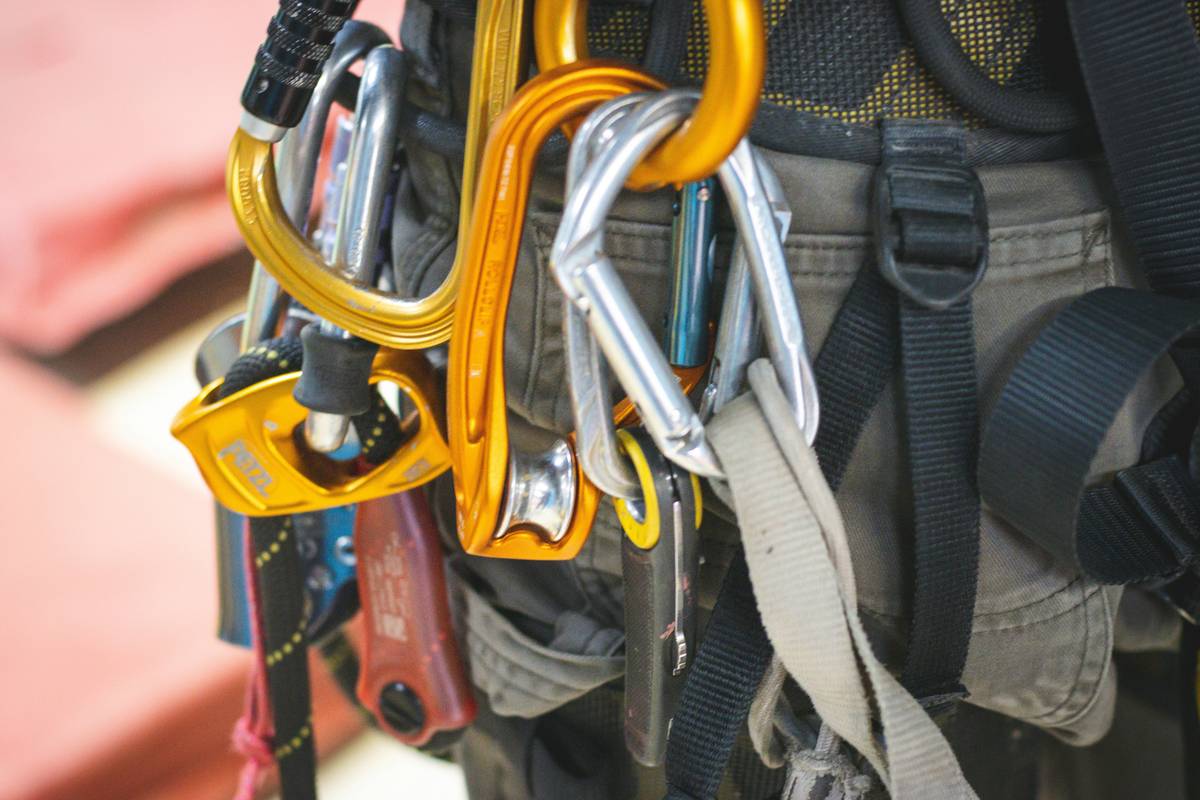
For self-feeding top-rope soloing, you need a progress-capture pulley system—not a standard belay tool. Devices like the Edelrid Eddy or Petzl Micro Traxion convert upward movement into locked security on downward force.
Rope Management: The Silent Killer
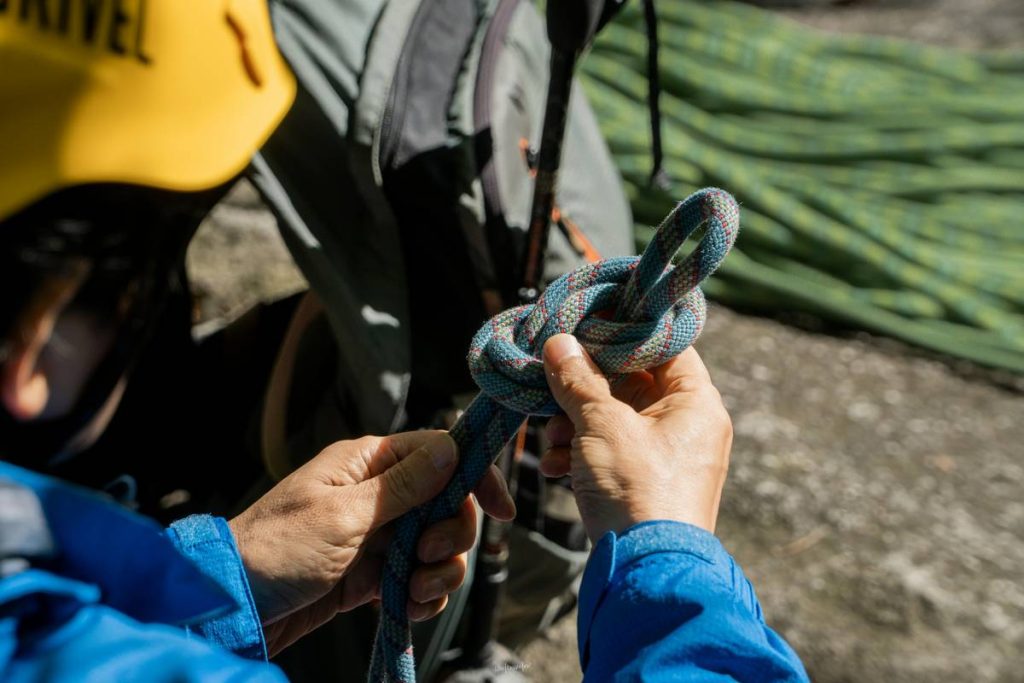
Tangles = death. Use a rope bag with a center pull. Anchor the rope’s midpoint at the top, feed both strands through your device, and clip yourself to one strand. The other acts as your “brake” line—weighted by a small backpack or specialized blocking knot.
Backup Is Non-Negotiable
Run a secondary prusik or Tibloc above your primary device. Not optional. Not “if you feel like it.” Gear fails. Rock dust jams mechanisms. Your life depends on that second point of contact.
| Method | Best For | Safety Rating | Setup Complexity | Avg. Cost |
|---|---|---|---|---|
| Progress Capture Pulley (e.g., Micro Traxion) | Top-rope soloing on fixed anchors | ★★★★☆ | Moderate | $80–$120 |
| GriGri + Backup Prusik | Occasional solo laps (not recommended) | ★☆☆☆☆ | Low | $60–$90 |
| Dedicated Solo Device (e.g., Silent Partner) | Lead soloing (advanced only) | ★★★★★ | High | $400+ |
| Rope Soloing with Tension Knots | Emergency use only | ★☆☆☆☆ | Low | $0 (uses existing gear) |
The Industry Secret Nobody Talks About
Guide services don’t actually “solo climb” the way weekend warriors imagine. They use pre-rigged systems where the rope remains static—climbers ascend via ascenders (like handled jumars), not dynamic belay devices. True Climb Alone on sport routes? Rare. Most legit soloists stick to crack systems or alpine ridges where protection is passive and frequent.
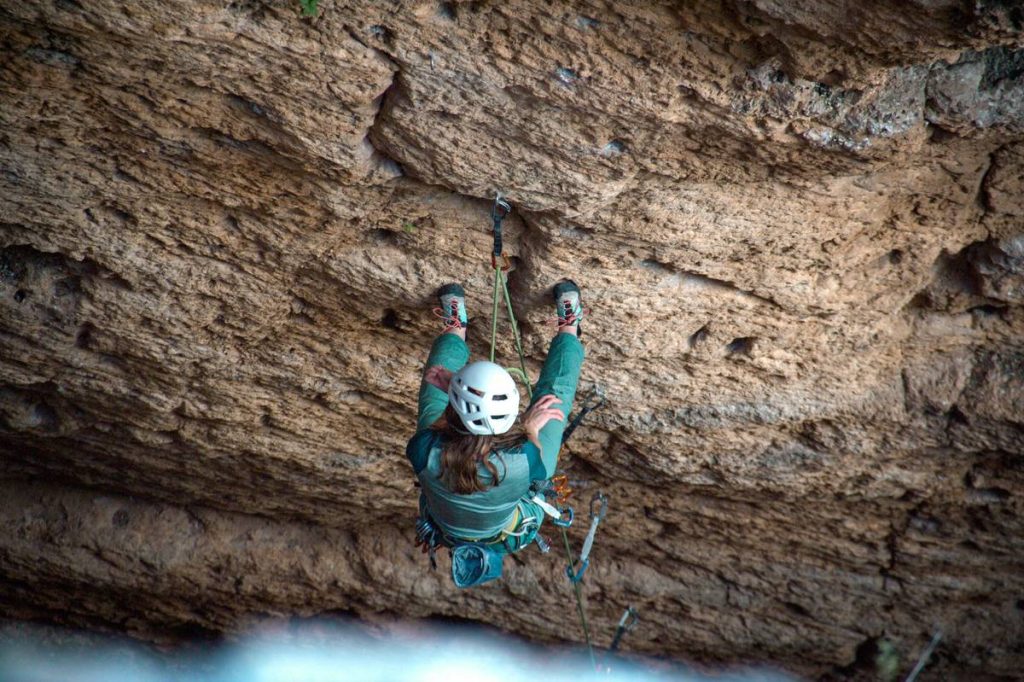
Here’s the reality: if you’re eyeing limestone overhangs with bolts 5 meters apart, soloing is borderline reckless—even with pro gear. But on moderate slab with solid cams every arm’s length? With the right setup, Climb Alone becomes a calculated risk, not a death wish.
Frequently Asked Questions
Can you use a GriGri to Climb Alone?
No—not safely. GriGris aren’t designed for self-feeding. Rope can slip or jam unpredictably. Use only with a secondary progress-capture backup, and even then, limit to low-angle terrain.
Is solo climbing legal at most crags?
Usually yes—but check local rules. Some parks ban it due to rescue liability. Always inform someone of your plan and expected return time.
What’s the minimum gear for safe solo top-roping?
A progress-capture pulley (e.g., Micro Traxion), locking carabiner, dynamic rope, helmet, backup prusik cord, and a weighted brake line (like a 5L water bladder).