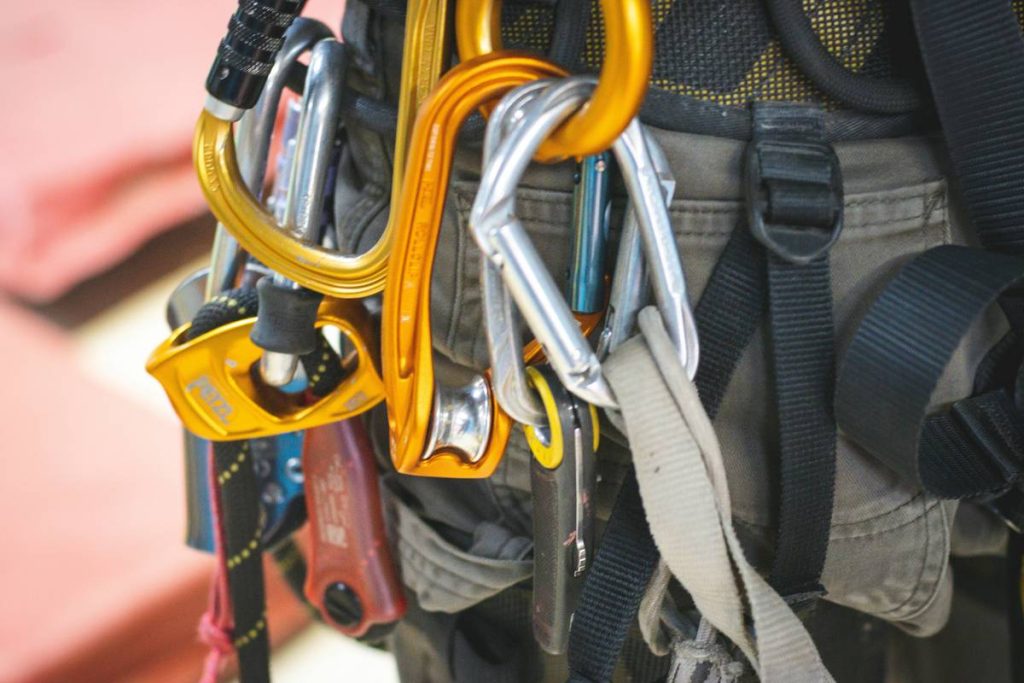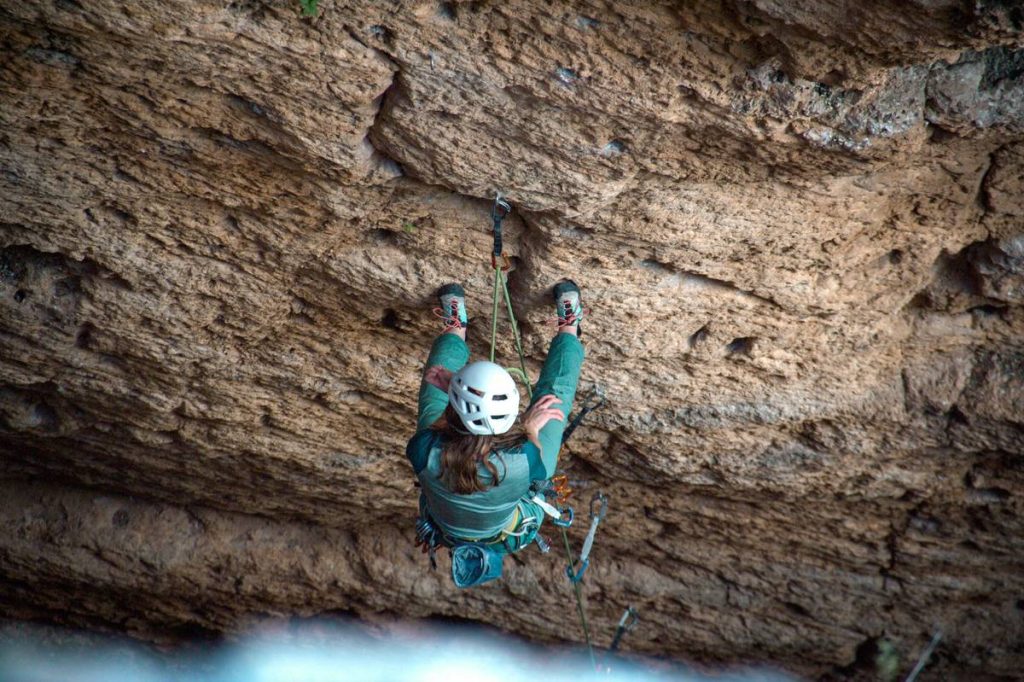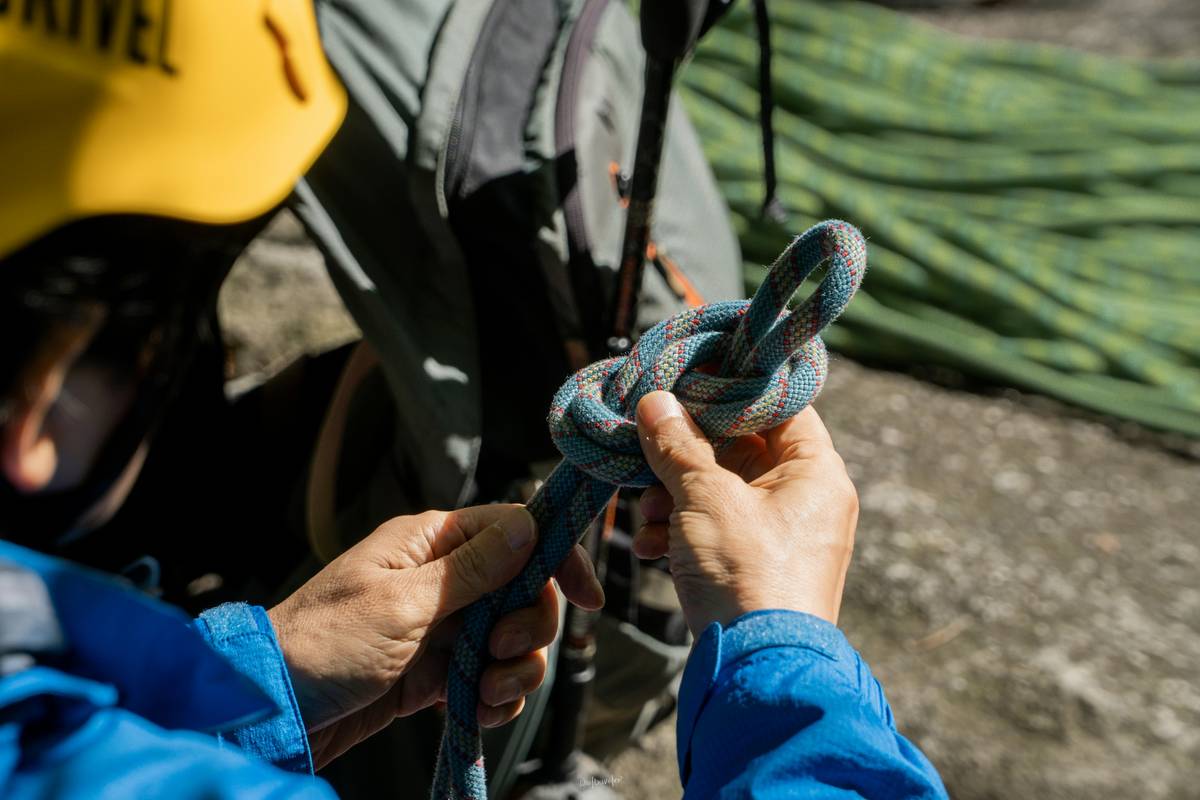
You’re clipped in, rope threaded, partner above—then it happens. A sudden slip. Your hand instinctively jams down… but the device doesn’t lock. Panic floods. Standard belay gear fails when friction alone isn’t enough. And that’s terrifying. The fix? Understanding exactly how equipment climbing belay devices locking mechanisms work—and which ones actually save lives when seconds count.
Why Most Belay Devices Don’t Lock When You Need Them To
Tube-style devices like the ATC rely entirely on user input. No hand pressure? No brake. Period. Even experienced climbers get distracted—gear adjustment, route beta, fatigue. Assisted-braking devices (ABDs) promise auto-locking, but not all deliver equal performance under real-world loads. Some jam unpredictably; others require perfect rope alignment to engage. And if you’re using worn rope or mismatched diameters? Forget reliable locking.
The stakes aren’t theoretical. Rescue logs show near-misses where passive devices failed to arrest falls because the belayer flinched or lost grip mid-fall. Human error is inevitable. Your gear shouldn’t be.
Mastering equipment climbing belay devices locking: A Tactical Breakdown
Match Device Type to Your Climbing Discipline
Sport cragging demands speed and smooth feeding. Big wall hauling needs fail-safe redundancy. Trad multi-pitch? You need versatility plus security on wandering routes. One-size-fits-all thinking kills. Choose based on context—not YouTube hype.
Rope Diameter Compatibility Is Non-Negotiable
Most ABDs specify a narrow rope range—say, 8.5–10.5mm. Run 9.2mm through a device rated for 9.8–11mm? Locking may delay or fail. Always cross-check manufacturer specs. And never assume “close enough” works with life-support systems.
Test Locking Behavior Before Every Lead
Do this: With your partner weightless, simulate a fall by sharply pulling the climber strand. Does the device instantly catch and hold without hand braking? If not, re-thread or switch devices. This 10-second drill prevents 10-foot ground slams.
| Device Type | Locking Mechanism | Best For | Key Limitation |
|---|---|---|---|
| Tube (e.g., Black Diamond ATC) | Manual friction only | Top-rope, gym, alpine descents | No auto-lock—100% belayer dependent |
| Assisted-Braking (e.g., Petzl Grigri) | Cam-activated pinch lock | Sport lead, single-pitch trad | Slower rope feed; sensitive to rope angle |
| Magnetic (e.g., Edelrid OHM) | Rope-clamp via magnetic resistance | Weight disparity scenarios | Requires specific anchor setup |
| Hybrid (e.g., Trango Vergo) | Centrifugal cam + tubular design | Multi-pitch, guiding | Higher cost; steeper learning curve |
The Industry Secret: Locking Isn’t Always Better
Here’s what manufacturers won’t emphasize: over-reliance on auto-locking can create dangerous complacency. I’ve watched guides hand off belays to novices using Grigris—assuming the device “handles it.” But if the rope feeds incorrectly or the cam sticks from dirt, locking fails silently. Worse, some ABDs increase force on anchors during hard catches, risking gear pull-out on marginal placements. The real pro move? Treat every device as manual first—use assisted locking as backup, not primary control. Mastery means braking with your hand every single time, regardless of tech. Because on rock, redundancy beats reliance.
Frequently Asked Questions
Do all belay devices lock automatically?
No. Only assisted-braking devices (ABDs) offer auto-locking. Tube-style devices like ATCs require constant hand braking and provide zero mechanical lock.
Can dirty ropes affect locking performance?
Absolutely. Grit, mud, or ice in the device groove can prevent cams from engaging fully—delaying or disabling locking. Clean gear before critical leads.
Is a locking belay device safer for beginners?
Not necessarily. Without proper training, beginners may feed rope poorly or mis-rig ABDs, causing dangerous malfunctions. Supervised practice matters more than device type.