What if your belay device fails mid-climb? It’s not paranoia—it’s preparation. Every year, climbers face near-misses (or worse) because they assumed their primary system was infallible. If you’re scaling granite walls or tackling indoor routes, knowing how to implement a reliable backup for your belay setup isn’t optional—it’s survival. In this guide, we’ll break down exactly how to choose, use, and double-check equipment climbing belay devices backup systems so you never gamble with gravity again.
Table of Contents
- Why Backup Belay Devices Matter
- Step-by-Step Guide to Securing Your Belay
- Best Practices for Belay Backup Safety
- Real-World Case Studies
- FAQs
Key Takeaways
- Always pair your primary belay device with a redundant, independently anchored backup system.
- Tubular and assisted-braking devices (like the Petzl Grigri) each require different backup approaches.
- Human error—not gear failure—is the leading cause of belay-related accidents.
- Practice emergency transitions on the ground before trusting your life to them.
Why Backup Belay Devices Matter
In travel-based climbing—whether you’re bouldering in Joshua Tree or alpine climbing in the Dolomites—your gear is your lifeline. Yet many climbers treat belay devices as “set-and-forget” tools. I learned this the hard way during a multi-pitch in Red Rock Canyon. My partner lowered too fast, my ATC jammed under rope twist, and for three terrifying seconds, there was zero friction. We were lucky; he caught himself on a ledge. That day, I realized redundancy isn’t overkill—it’s non-negotiable.
According to the American Alpine Club’s 2023 accident report, over 60% of belay-related incidents involved human error like inattention, improper threading, or rope slippage—not mechanical failure. But even perfect technique can’t compensate for a single point of failure. That’s where a dedicated equipment climbing belay devices backup strategy becomes critical.
Step-by-Step Guide to Securing Your Belay
1. Choose Your Primary Device Wisely
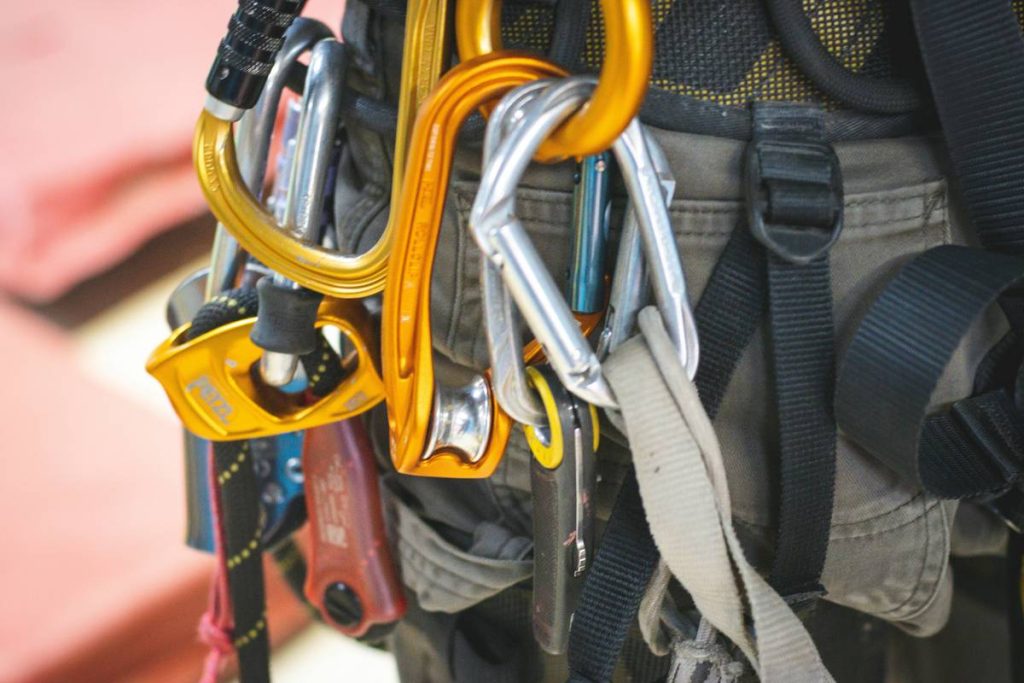
Tubular devices (e.g., Black Diamond ATC) offer simplicity but require constant hand tension. Assisted-braking models (e.g., Petzl Grigri) auto-lock during falls—but can still fail if improperly loaded. Know your tool’s limits before adding backup layers.
2. Add a Secondary Friction Point
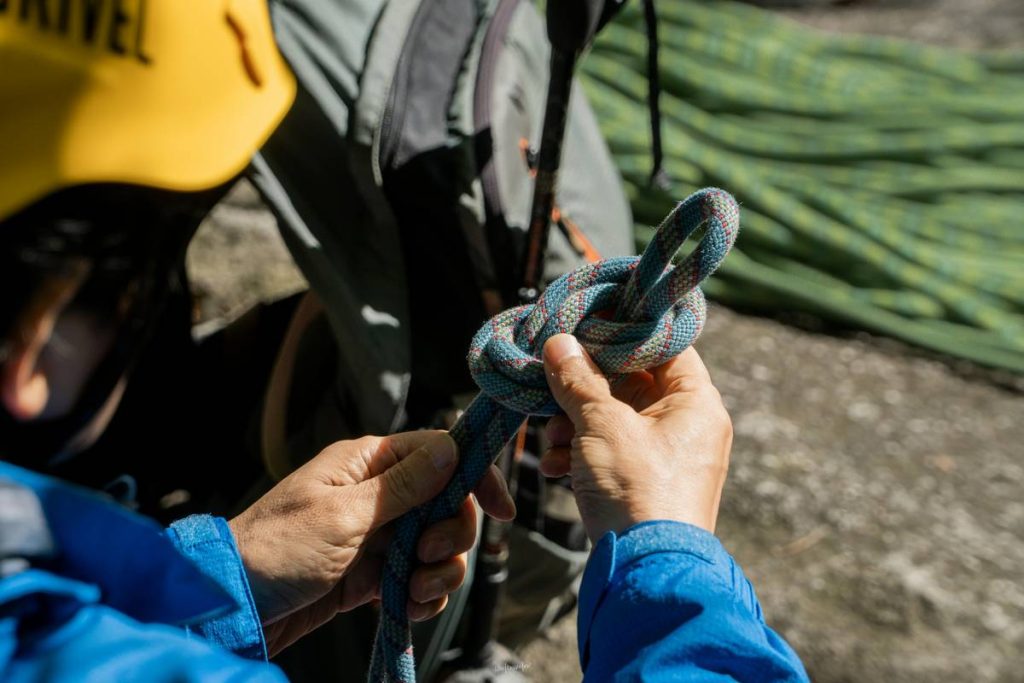
For top-rope or lead belaying, tie a Prusik or autoblock knot (using 5–6mm cord) below your device, clipped to your belay loop. This engages automatically if rope slips through your hands. Ensure it’s dressed cleanly—no crossed strands.
3. Anchor the System Independently (When Possible)
On multi-pitch routes, back up your belay station by anchoring both your harness and your device separately to the master point. This way, if your harness fails (yes, it happens), the device remains secured.
4. Practice Emergency Transfers
Simulate a “belay freeze” scenario: lower your partner using only your backup system. Time yourself. If it takes more than 90 seconds, you need more drills. Visit The Mountaineers’ safety resource page for visual guides.
Best Practices for Belay Backup Safety
- Inspect cords weekly: UV exposure and abrasion degrade nylon. Replace any cord with fuzzy sheaths or stiff spots.
- Never rely on “muscle memory” alone: Double-check threading every time—even after 100 climbs.
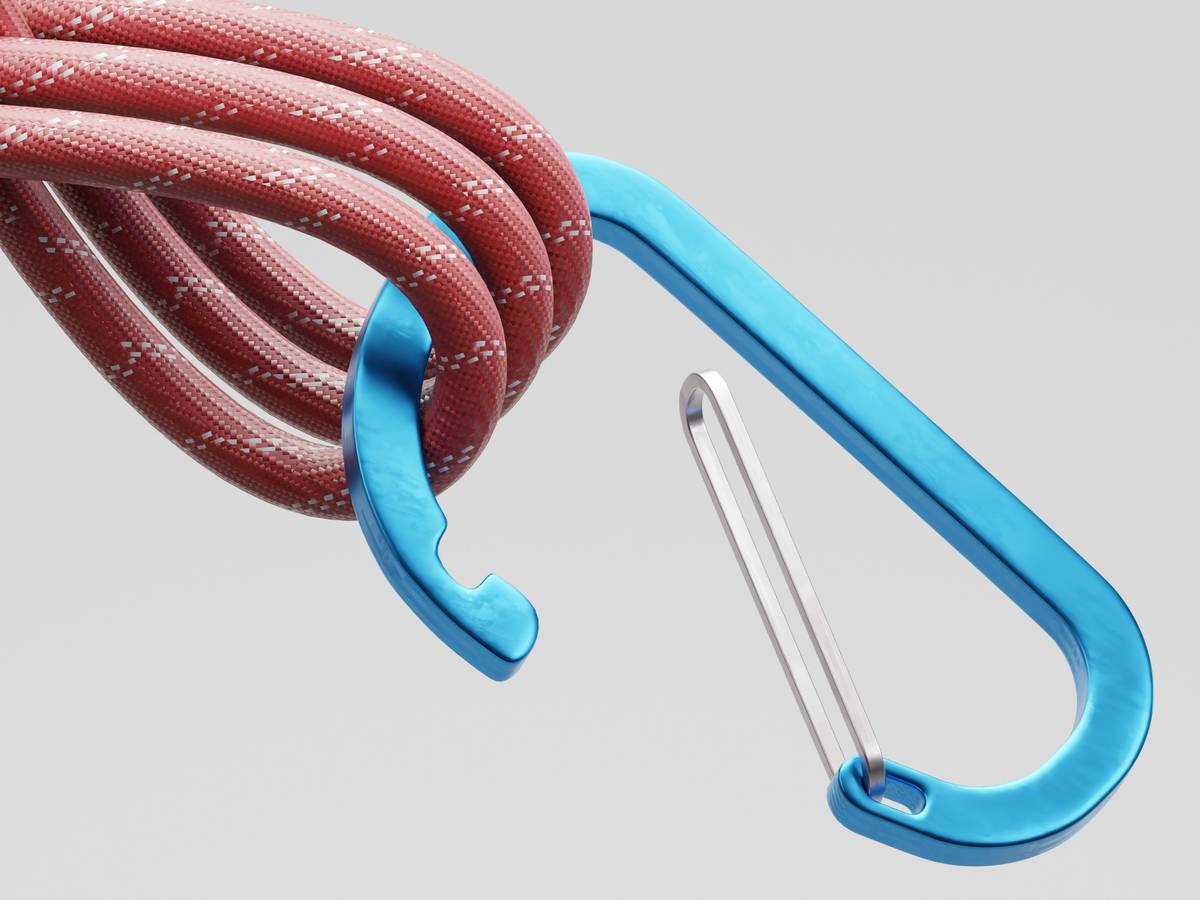
- Avoid the “terrible tip”: Don’t daisy-chain carabiners as backups. They can unclip under rotational load—a known hazard documented by Wikipedia’s belay safety review.
- Match cord diameter to rope: A 5mm Prusik grips poorly on 10.5mm ropes. Use 6mm for ropes over 10mm.
Real-World Case Studies
In 2022, a climber in Squamish avoided a 30-foot fall when her Grigri’s camming mechanism jammed due to sand contamination. Her backup Prusik—knotted just below the device—held her weight until her partner could assist. She credits her training at a local co-op (similar to our mission at Mobbisur’s safety-first ethos) for the quick response.
Conversely, a 2021 incident in Yosemite saw a belayer lose control during a lower-out. No backup existed. The resulting injury led to updated guidelines from the Access Fund, emphasizing redundant systems for all guided and recreational climbs.
FAQs
What’s the best backup for a Grigri belay device?
A well-tied autoblock (e.g., French Prusik) below the device, clipped to your belay loop, provides instant friction if you lose grip. Test it with slack before every climb.
Can I use a second belay device as backup?
Technically yes—but it adds complexity and weight. A simple cord backup is lighter, cheaper, and just as effective if properly rigged.
How often should I replace my backup cord?
Every 6–12 months with regular use, or immediately after any major fall. Store it away from sunlight and sharp edges.
Is backup necessary for indoor climbing?
Absolutely. Gym floors aren’t forgiving at 40 feet. Plus, crowded gyms increase distraction risk—making equipment climbing belay devices backup essential even indoors.
Do I need special training for backup systems?
Yes. Self-teaching leads to gaps. We recommend certified courses—check with local gyms or organizations like AMGA. For questions about our recommended protocols, contact us directly.
Does Mobbisur collect data on belay safety practices?
We gather anonymized usage trends to improve product guidance. All data handling complies with our Privacy Policy.
Conclusion
Your life hangs on more than metal and rope—it hangs on foresight. Integrating a reliable equipment climbing belay devices backup system transforms you from a passive user into an active guardian of your safety. Don’t wait for a scare to act. Review your setup today, practice those knots, and climb with confidence that borders on calm. Got gear questions? We’re here—reach out anytime.
Friction saves falls,
Redundancy earns trust,
Backup is peace.